

Your shopping cart is empty!
« back
« back
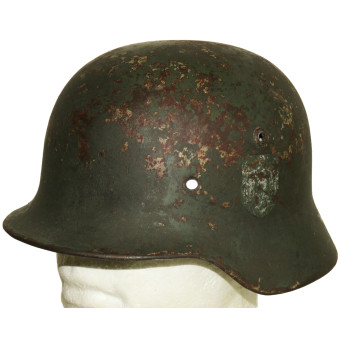
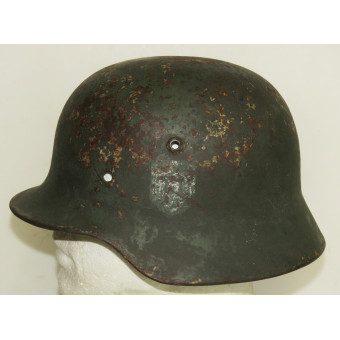
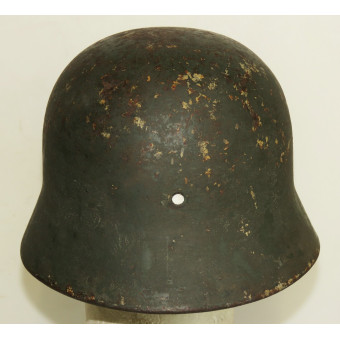
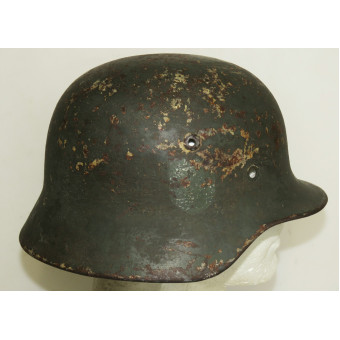

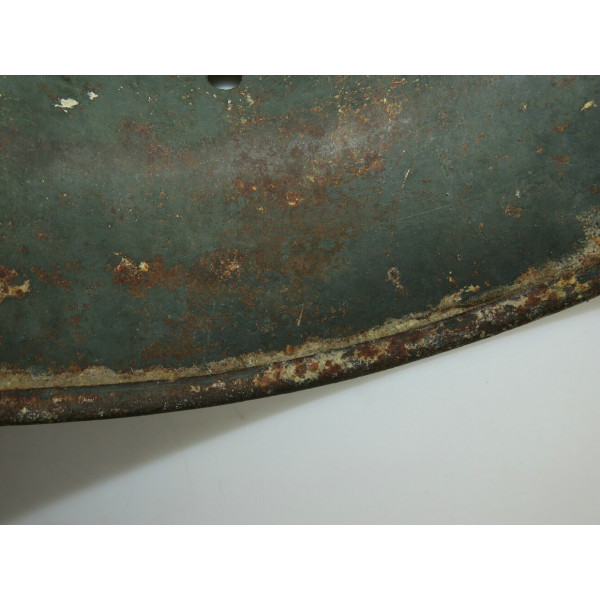
M35 Combat Helmet SE60 with Field Repaint
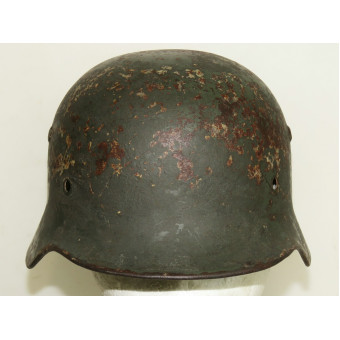
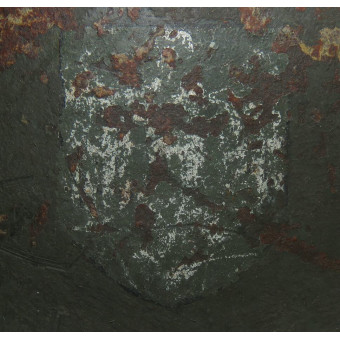
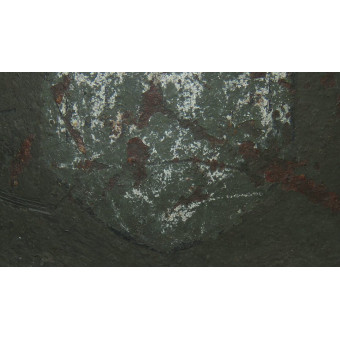
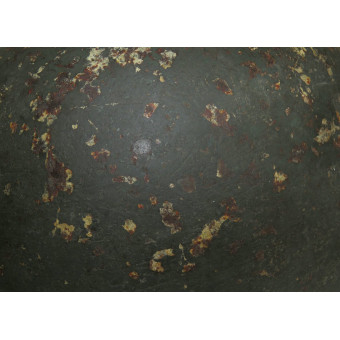
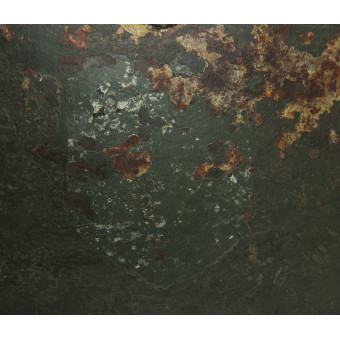
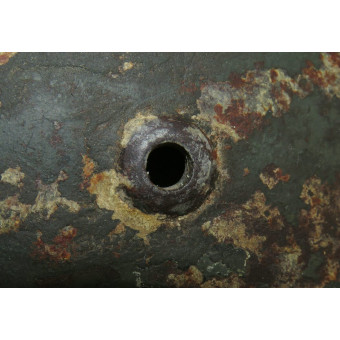
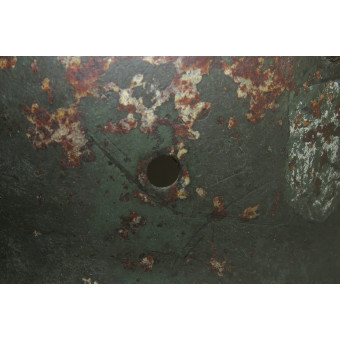
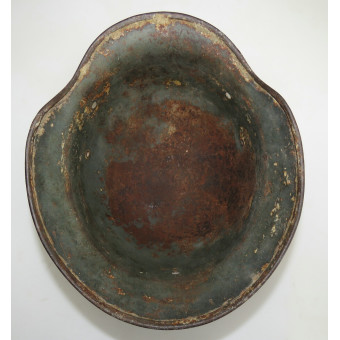
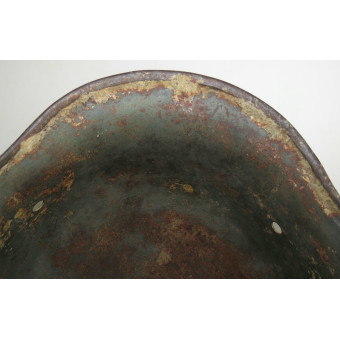
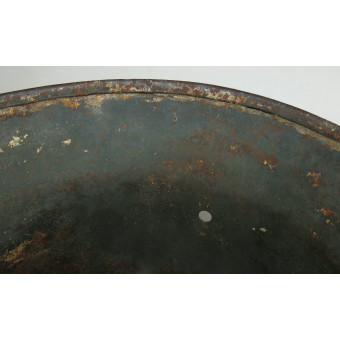
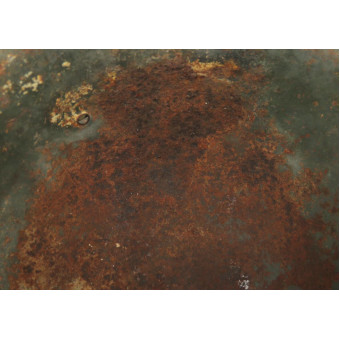
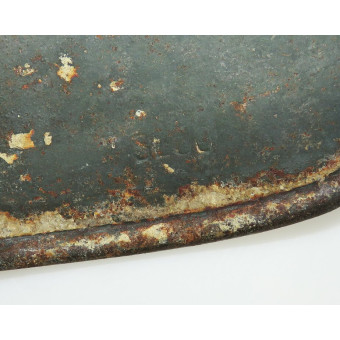
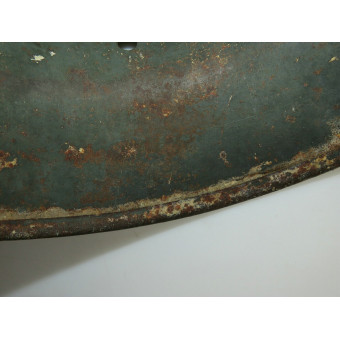
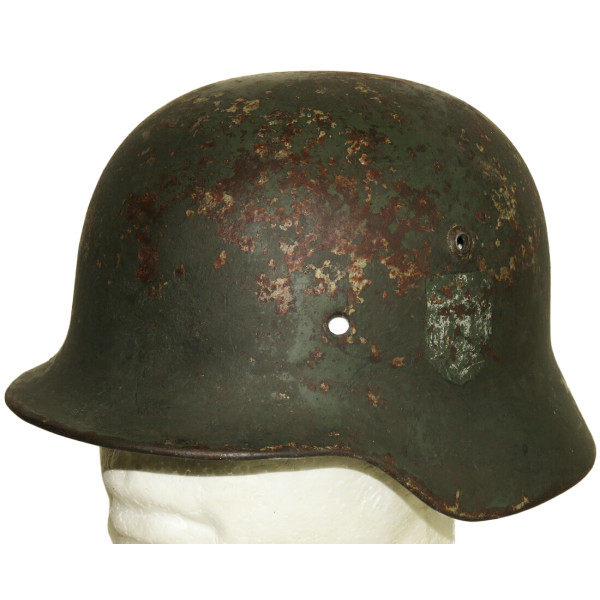
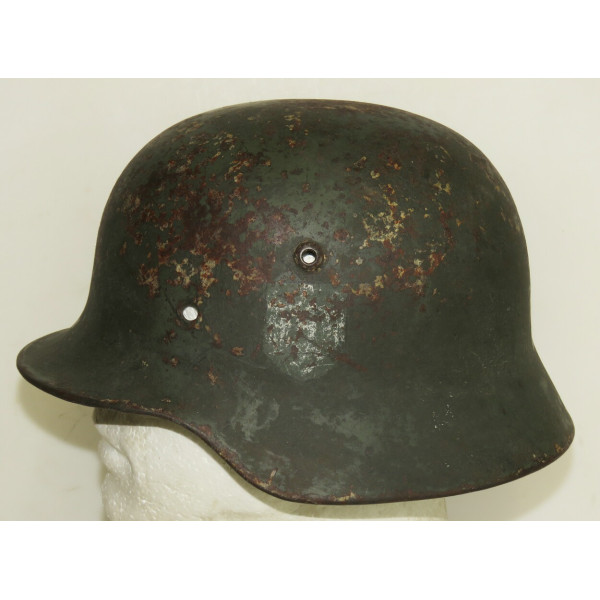
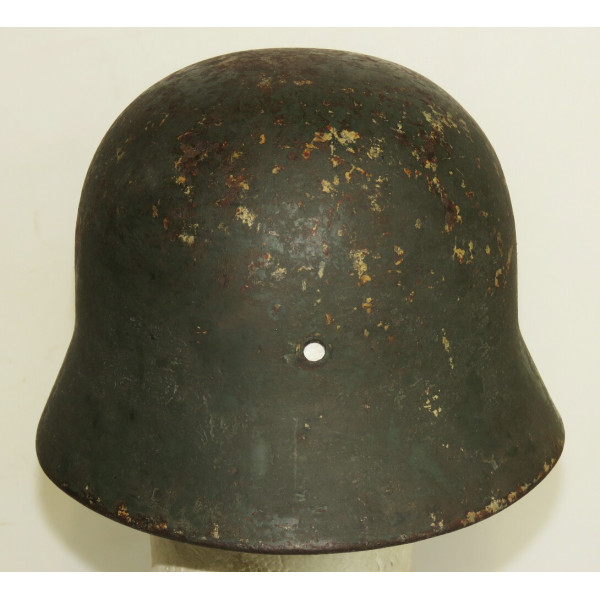
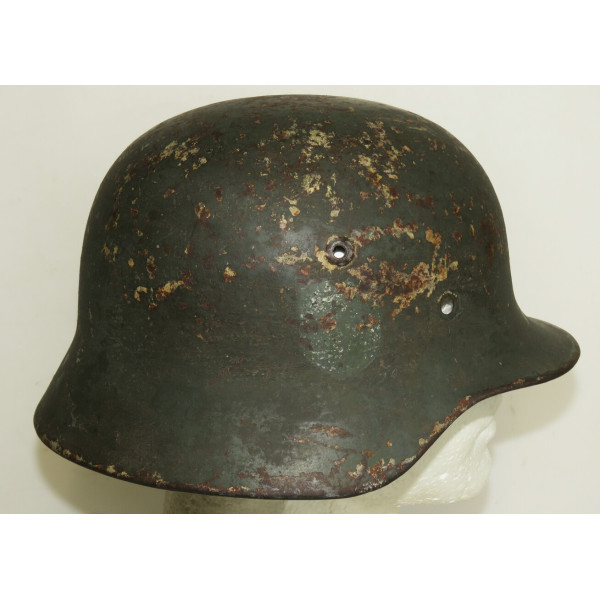
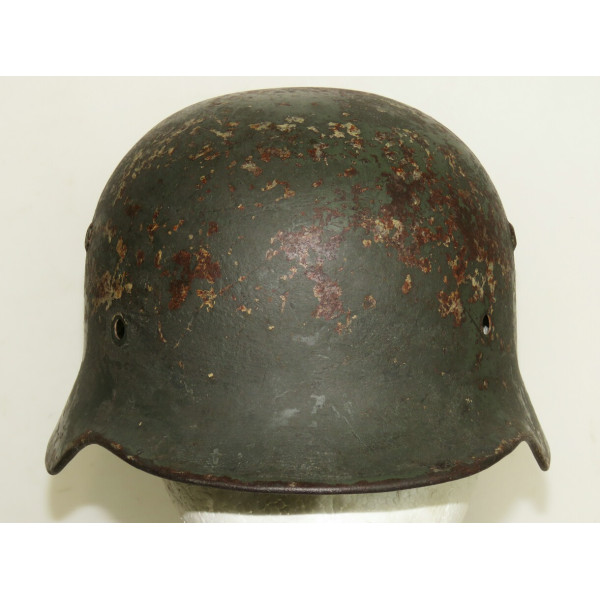
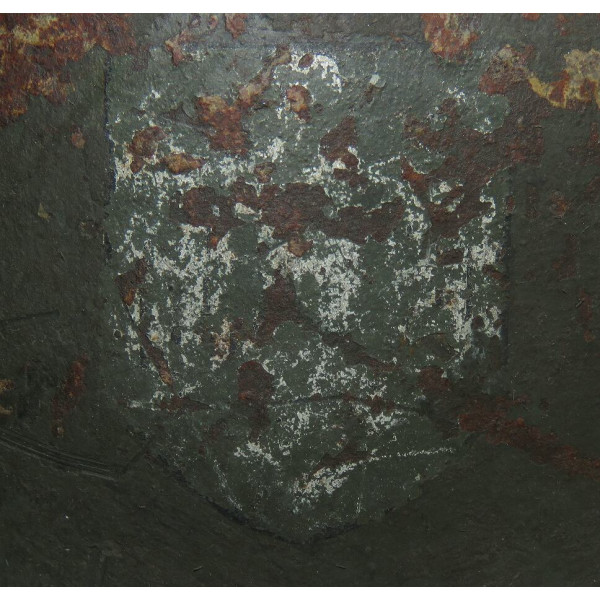
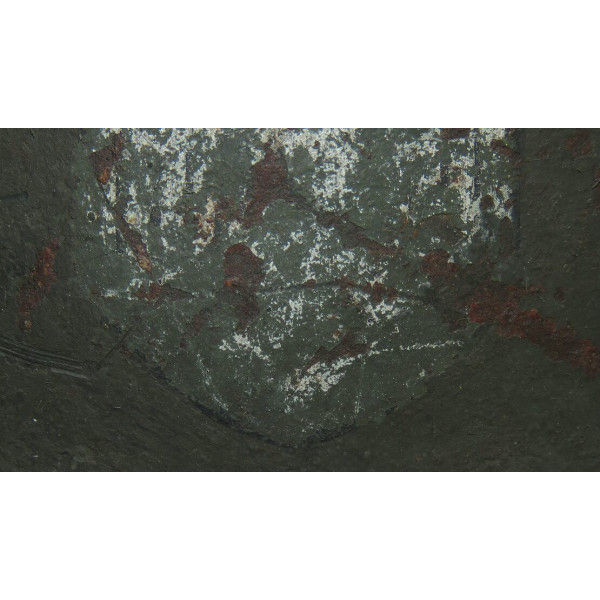
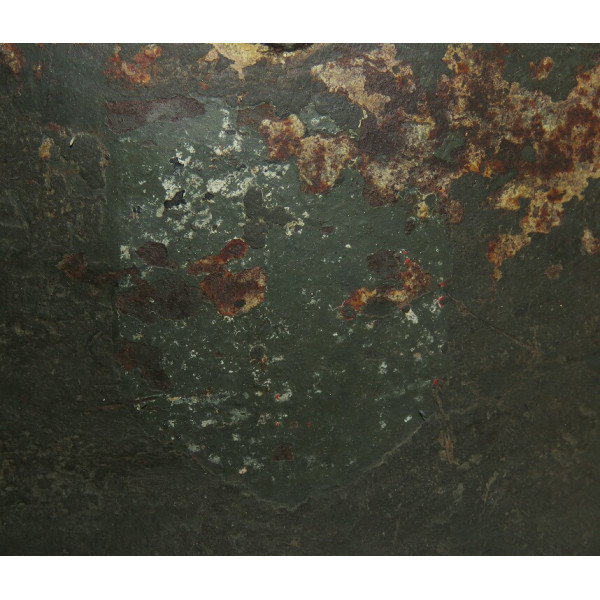
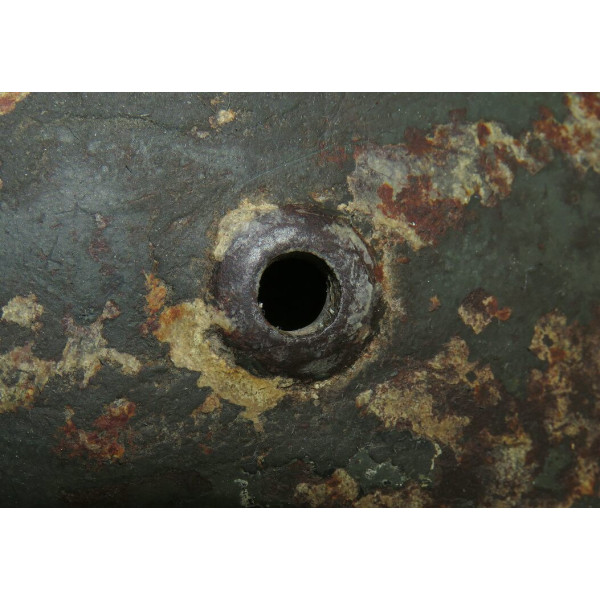
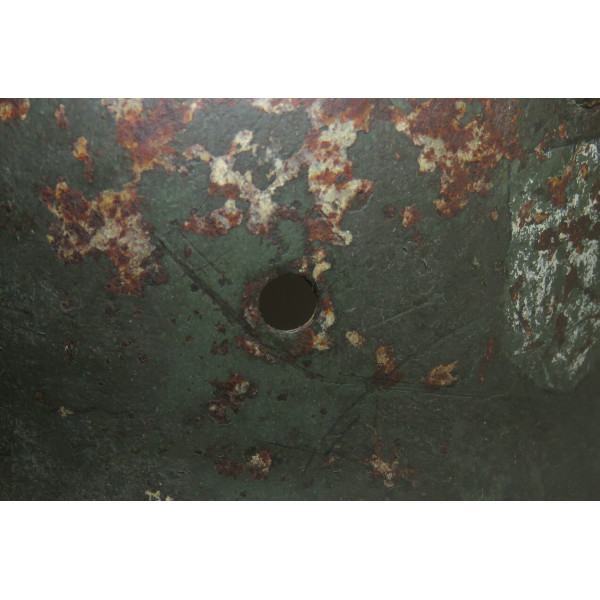
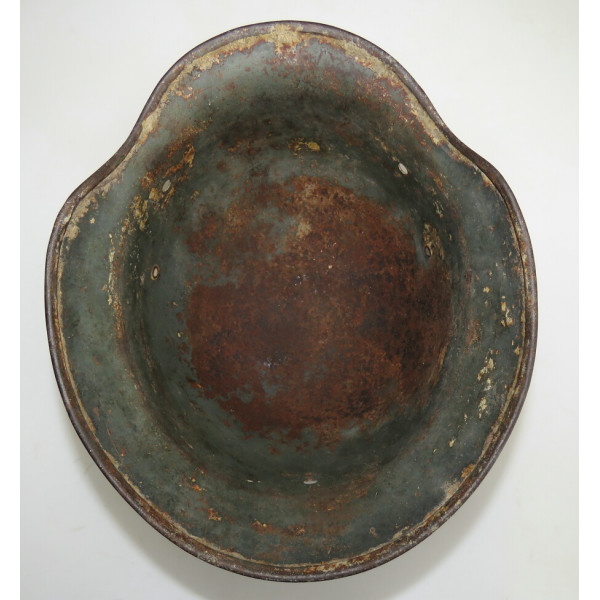
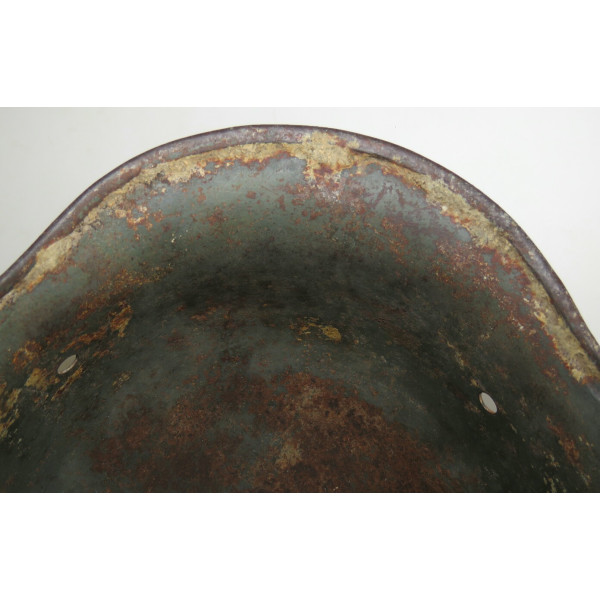
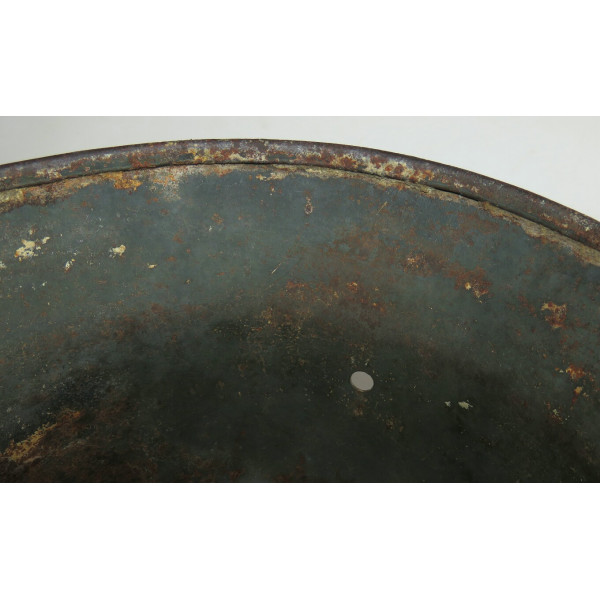
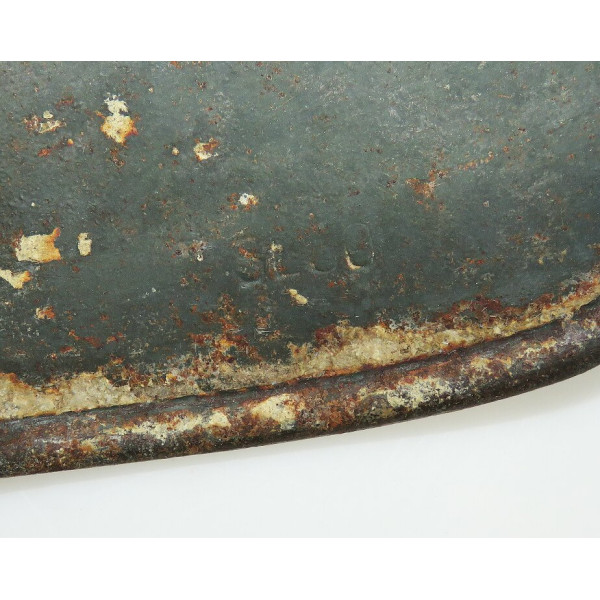
Original M35 combat helmet, shell size SE60, representing an excellent example of wartime frontline reuse. Beneath the later matte feldgrau field repaint, remnants of both original factory decals remain visible, while traces of the original smooth apple-green factory finish can still be seen beneath the wartime overpaint. This glossy early finish proved unsuitable under combat conditions, and during the first summer of the war many helmets of this type were repainted in matte feldgrau to reduce visibility in the field.
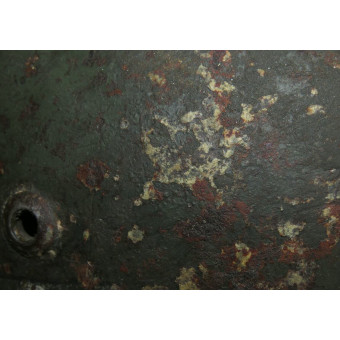
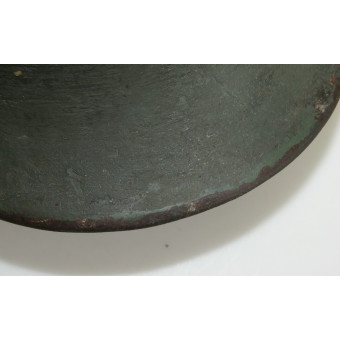
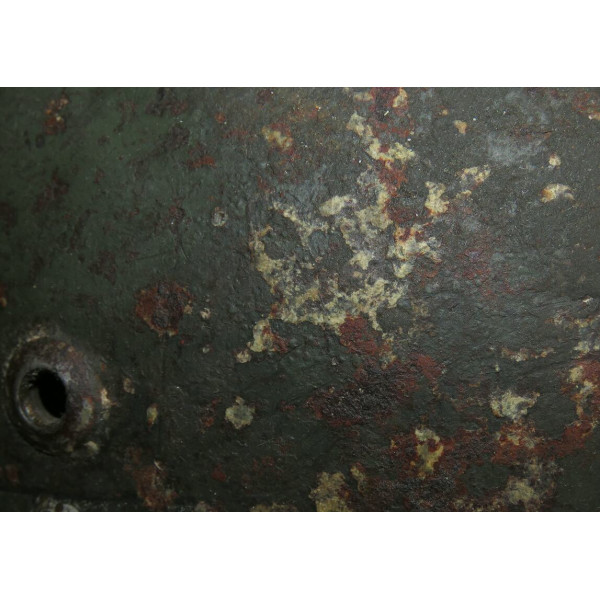
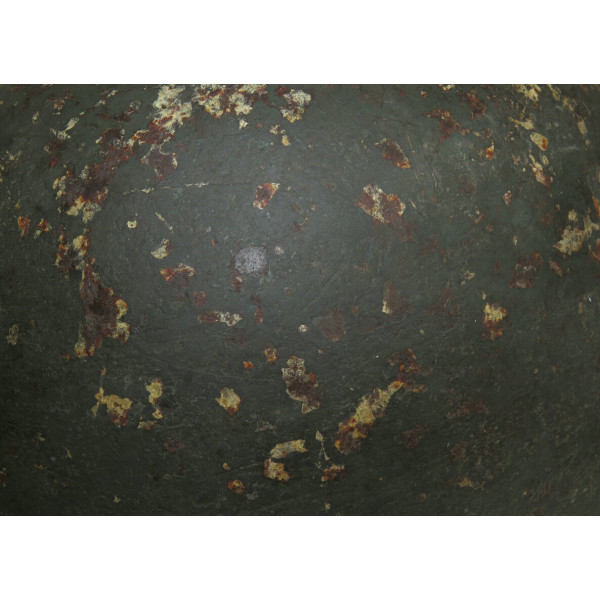
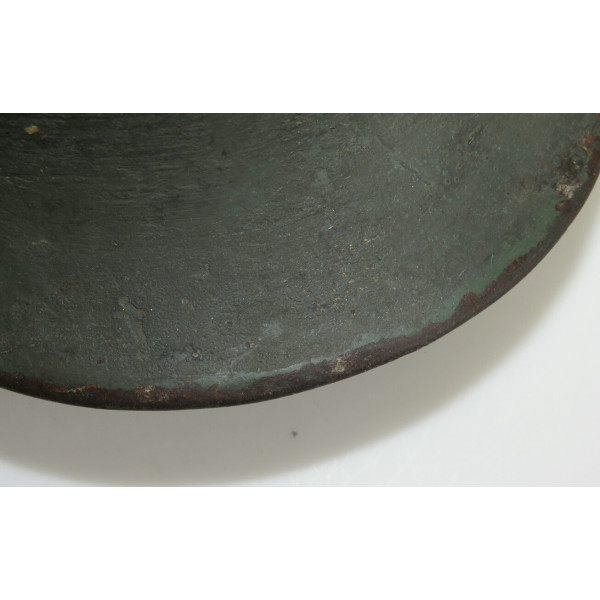
The helmet also retains traces of an original white winter camouflage applied over the field repaint, documenting continued frontline service during winter operations. It is preserved exactly as found, without a liner, and is offered in this original condition. If desired, it can be completed with the correct period liner and liner band appropriate for this shell size. The shell displays only minimal surface oxidation resulting from long-term storage.
Shell size SE60 is considerably less common than larger sizes. When fitted with the correct liner, it corresponds to an approximate head size of 52–53. These compact helmets are especially appreciated by collectors for their proportions and distinctive appearance. This example perfectly illustrates the wartime evolution of German combat helmets through successive layers of operational use. Excellent collector condition.
Description
Original M35 combat helmet, shell size SE60, representing an excellent example of wartime frontline reuse. Beneath the later matte feldgrau field repaint, remnants of both original factory decals remain visible, while traces of the original smooth apple-green factory finish can still be seen beneath the wartime overpaint. This glossy early finish proved unsuitable under combat conditions, and during the first summer of the war many helmets of this type were repainted in matte feldgrau to reduce visibility in the field.
The helmet also retains traces of an original white winter camouflage applied over the field repaint, documenting continued frontline service during winter operations. It is preserved exactly as found, without a liner, and is offered in this original condition. If desired, it can be completed with the correct period liner and liner band appropriate for this shell size. The shell displays only minimal surface oxidation resulting from long-term storage.
Shell size SE60 is considerably less common than larger sizes. When fitted with the correct liner, it corresponds to an approximate head size of 52–53. These compact helmets are especially appreciated by collectors for their proportions and distinctive appearance. This example perfectly illustrates the wartime evolution of German combat helmets through successive layers of operational use. Excellent collector condition.
Payment & Delivery