Your shopping cart is empty!
« back
« back
Early Brandflasche 42 0.5 L First Type, Winter 1941–1942
Product Code: br539
Out of stock
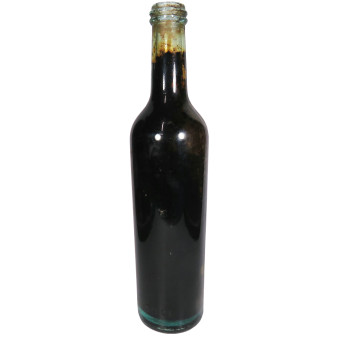
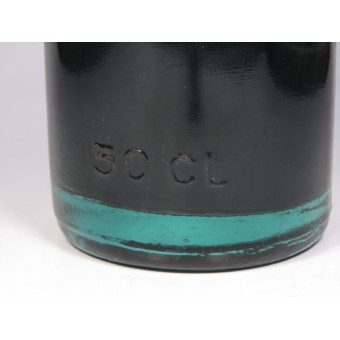
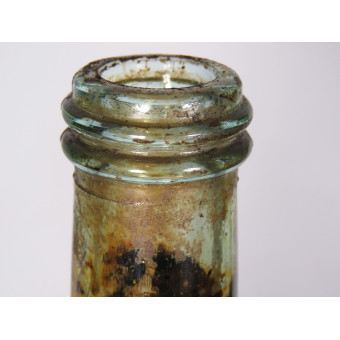
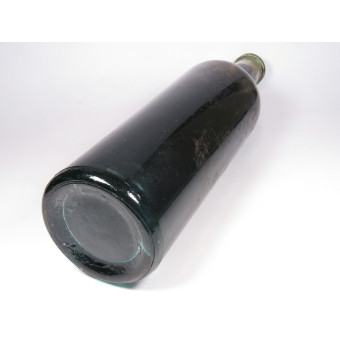
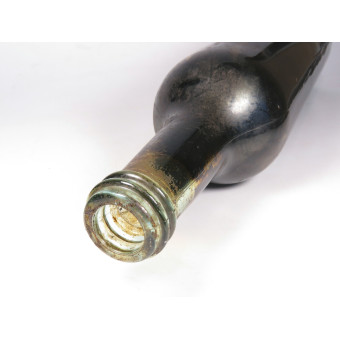
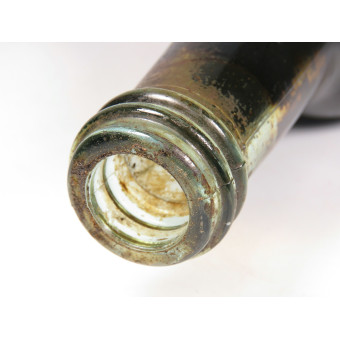
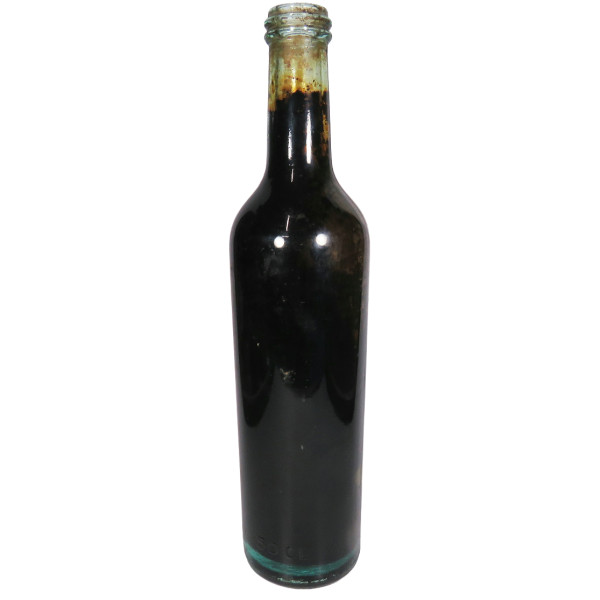
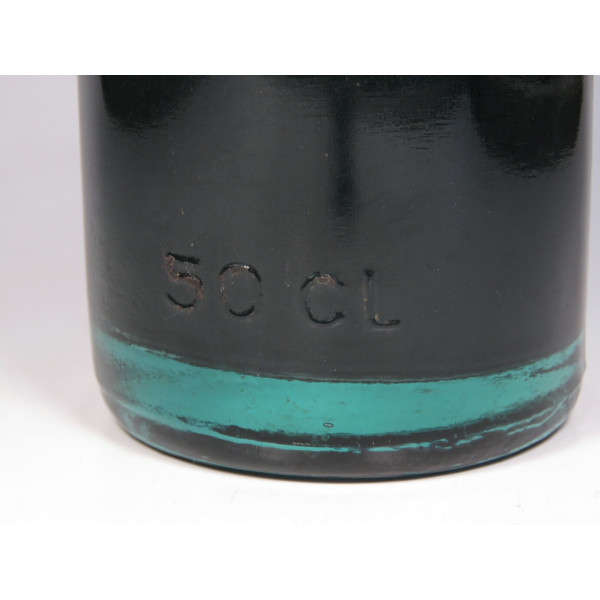
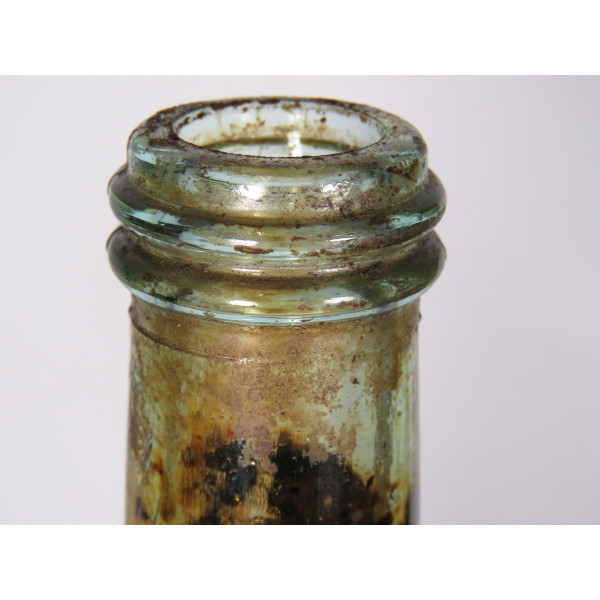
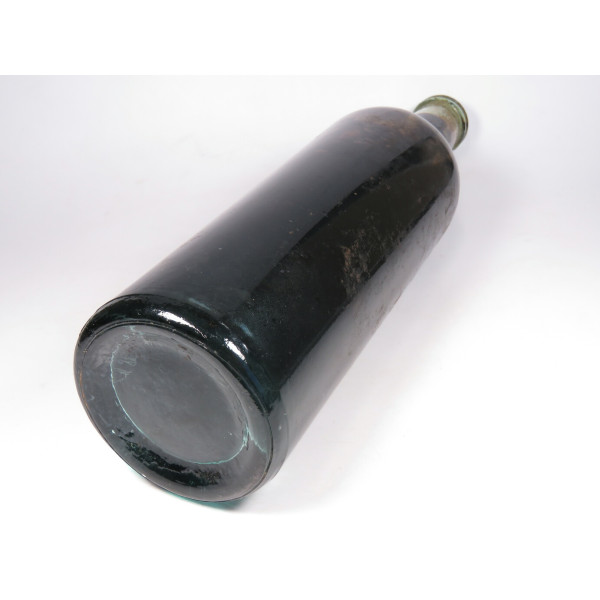
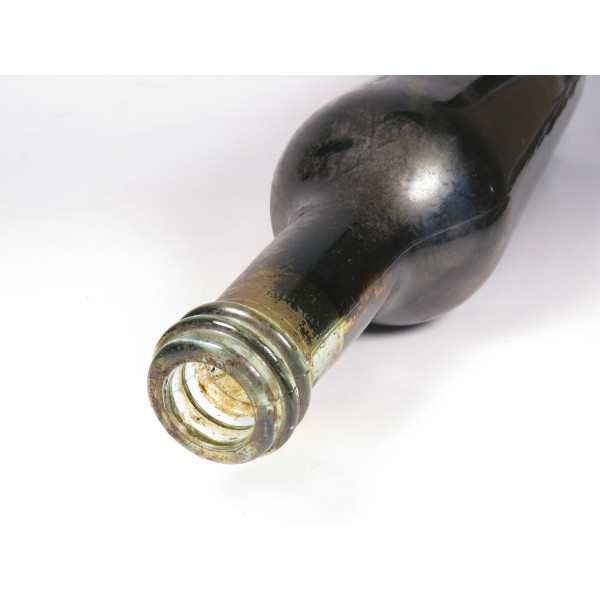
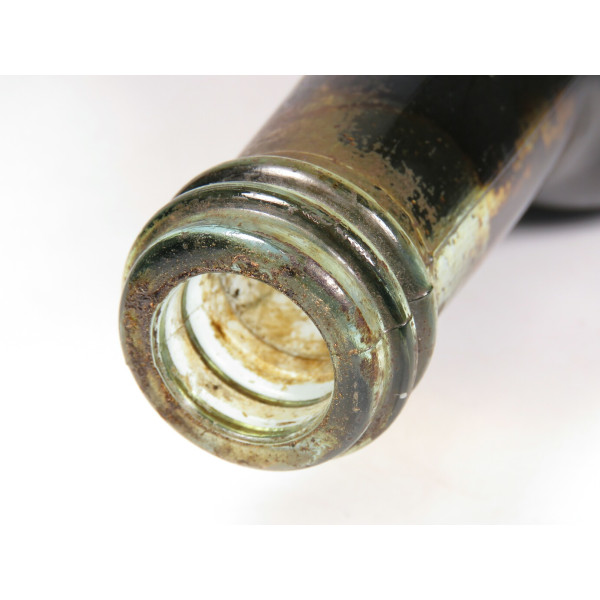
Extremely rare Brandflasche 42 bottle with a capacity of 0.5 liters, representing the first type previously undocumented and effectively unknown within the collecting community. It belongs to the earliest production batches supplied to the Wehrmacht during the winter of 1941–1942. Discovered during excavations of a field dugout inside an unopened crate containing identical bottles and bags intended for incendiary components in the Dukhovshchinsky district of the Smolensk region. This example features a distinctive neck design that clearly implies a dedicated mounting system for the incendiary composition, which was stored separately in bags and used in conjunction with the bottle. All bottles found in the crate were of the same design but produced by different manufacturers, indicating strict standardization and an experimental nature of early deployment. The ignition element in early versions was secured to the neck using a strip of adhesive tape comparable to medical plaster. The bottle still contains remnants of the Flammöl Nr. 19 mixture. Out of the entire crate, only four bottles have survived. Today, this specific type is considered unique, and it is highly likely that no other comparable examples have survived.
Description
Extremely rare Brandflasche 42 bottle with a capacity of 0.5 liters, representing the first type previously undocumented and effectively unknown within the collecting community. It belongs to the earliest production batches supplied to the Wehrmacht during the winter of 1941–1942. Discovered during excavations of a field dugout inside an unopened crate containing identical bottles and bags intended for incendiary components in the Dukhovshchinsky district of the Smolensk region. This example features a distinctive neck design that clearly implies a dedicated mounting system for the incendiary composition, which was stored separately in bags and used in conjunction with the bottle. All bottles found in the crate were of the same design but produced by different manufacturers, indicating strict standardization and an experimental nature of early deployment. The ignition element in early versions was secured to the neck using a strip of adhesive tape comparable to medical plaster. The bottle still contains remnants of the Flammöl Nr. 19 mixture. Out of the entire crate, only four bottles have survived. Today, this specific type is considered unique, and it is highly likely that no other comparable examples have survived.
Payment & Delivery