Your shopping cart is empty!
« back
« back
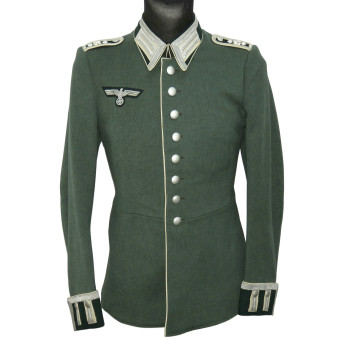
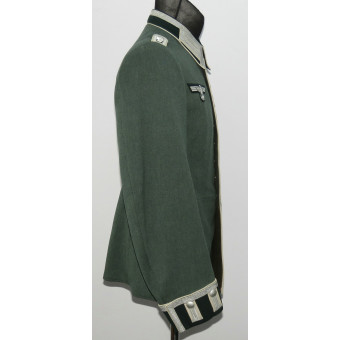
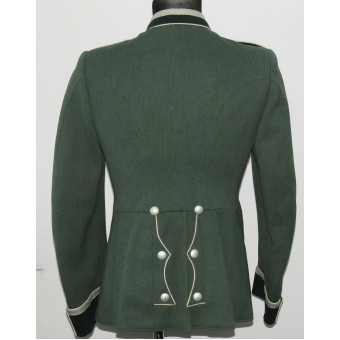
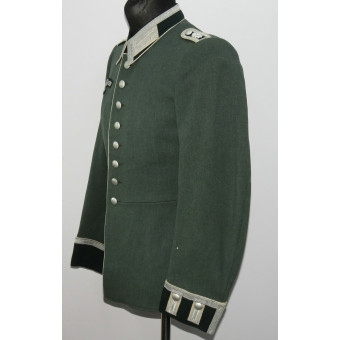
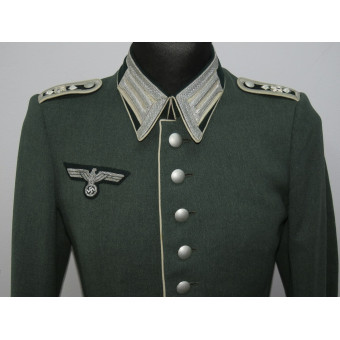
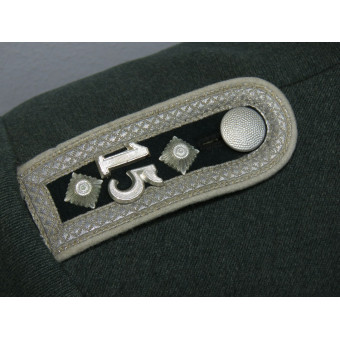
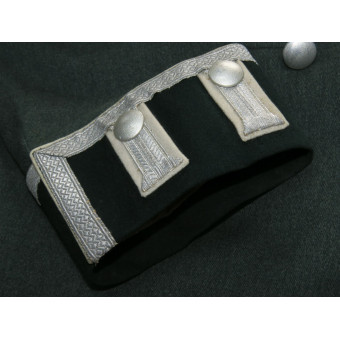
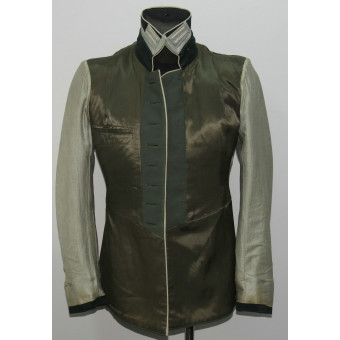
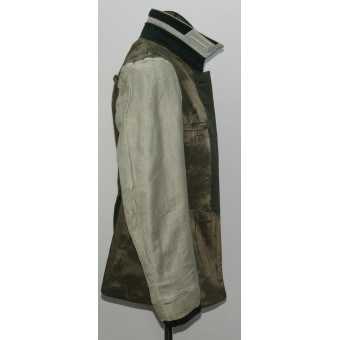
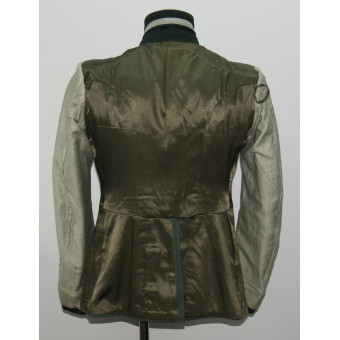
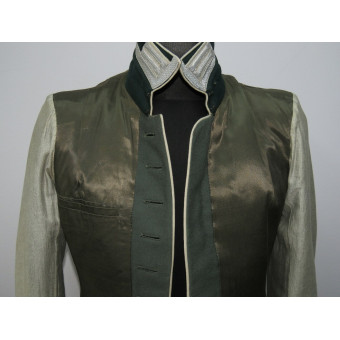
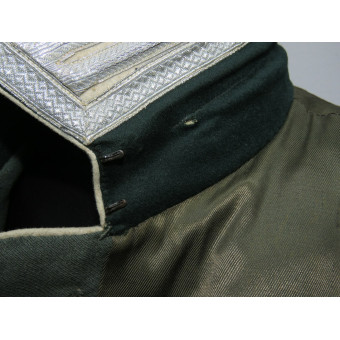
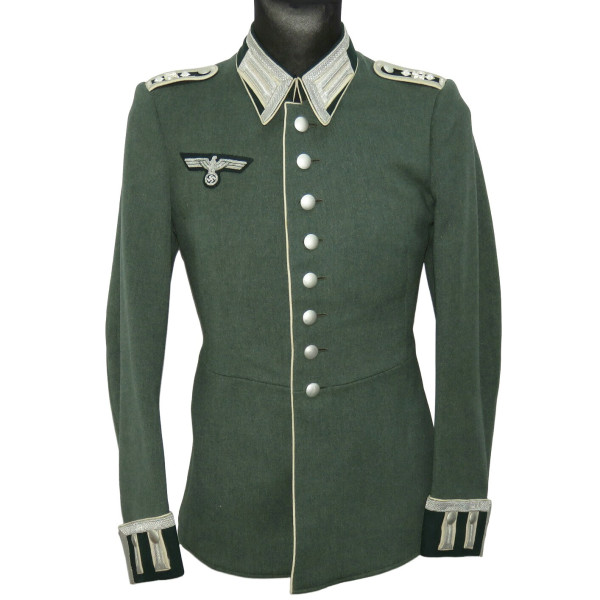
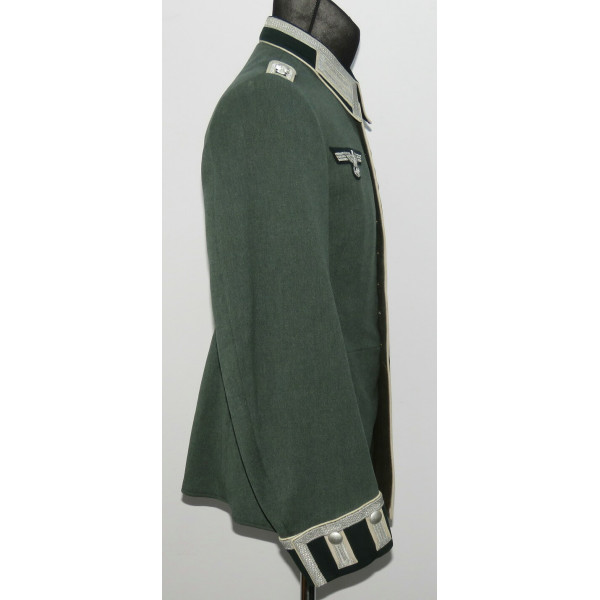
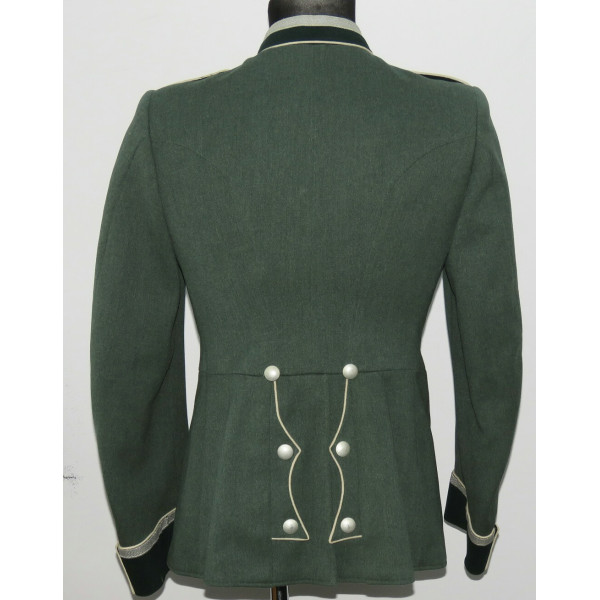
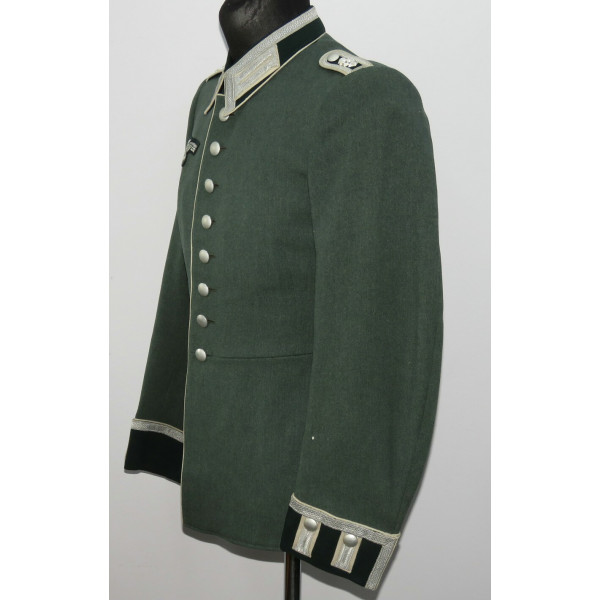
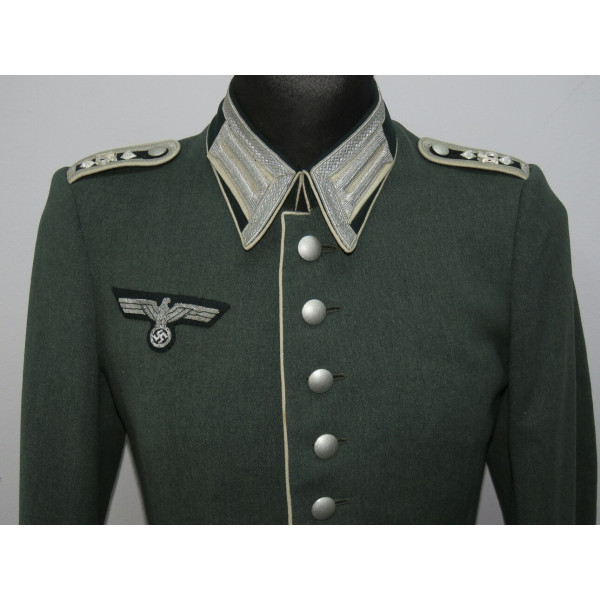
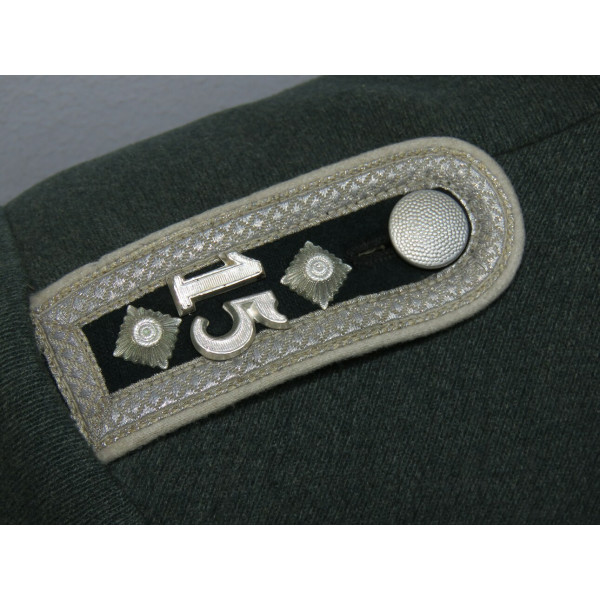
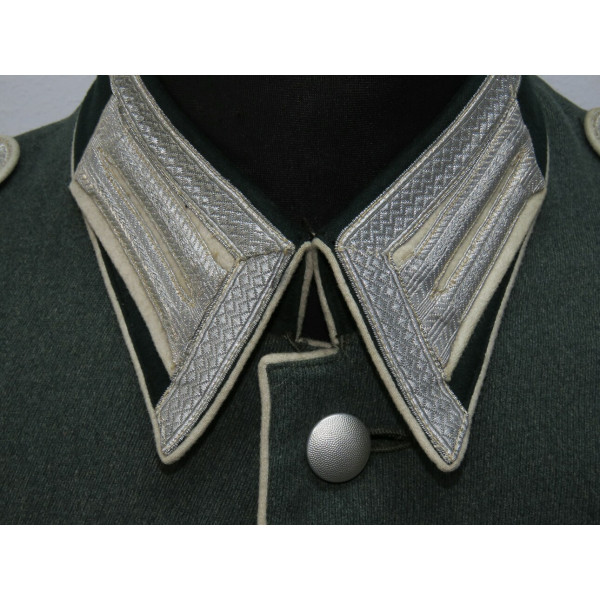
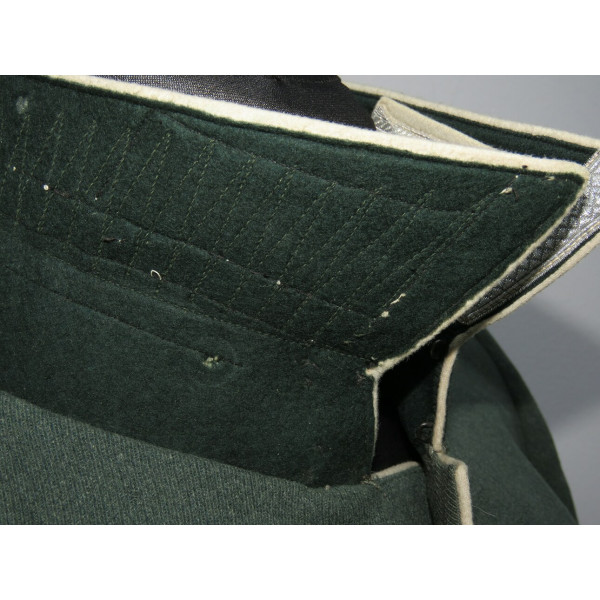
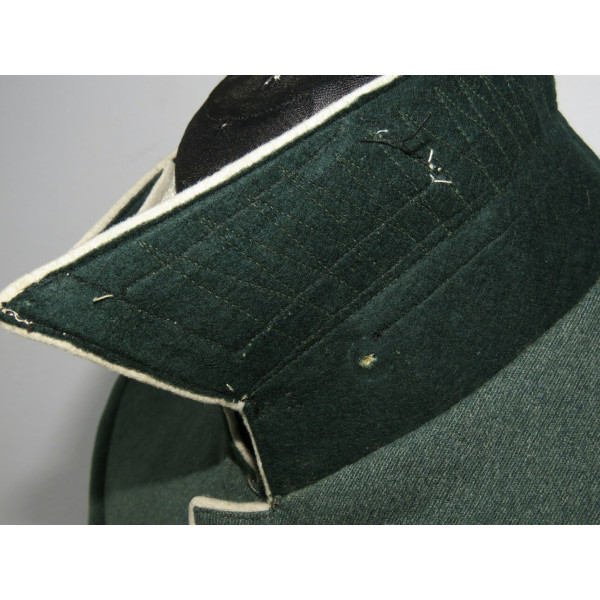
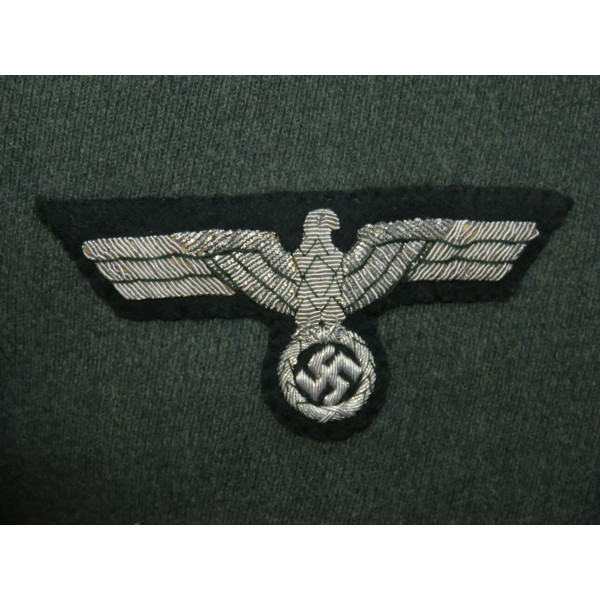
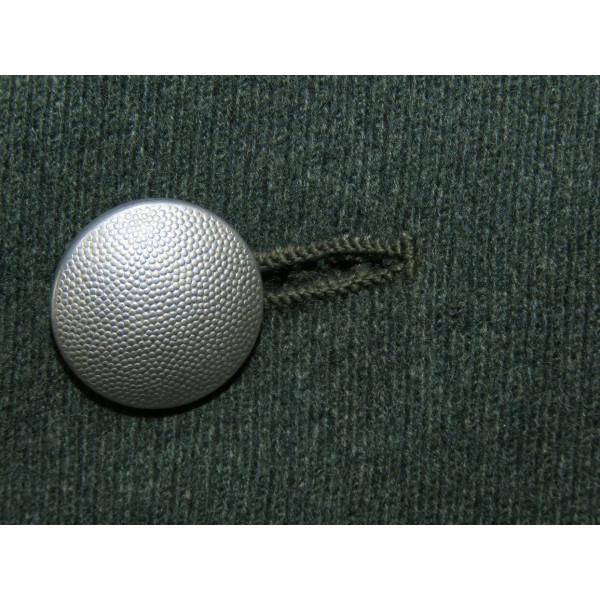
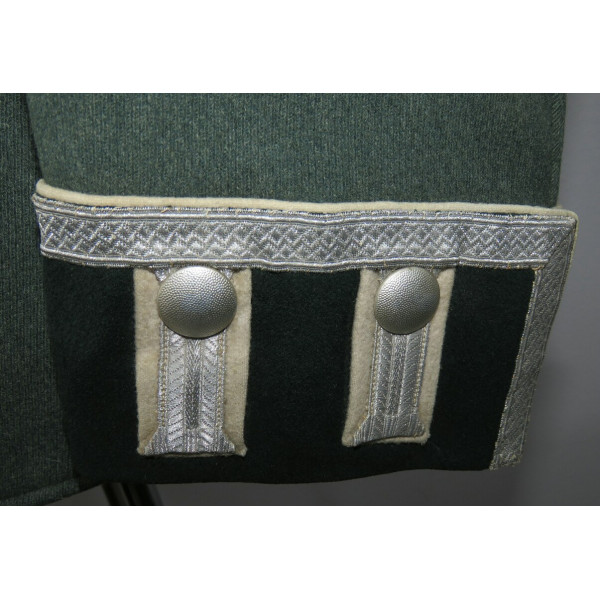
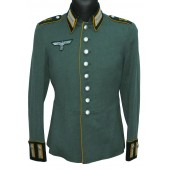
Oberfeldwebel Waffenrock of Infanterie-Regiment 15
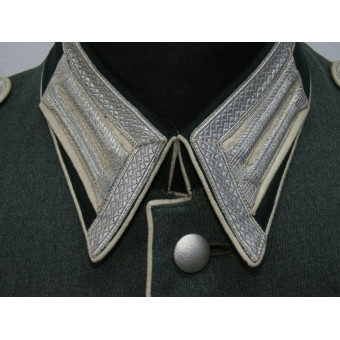
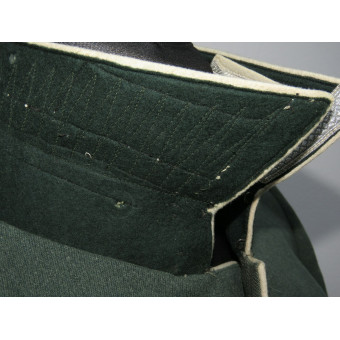
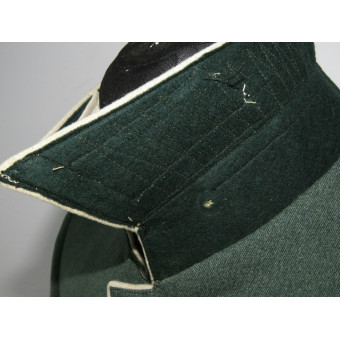
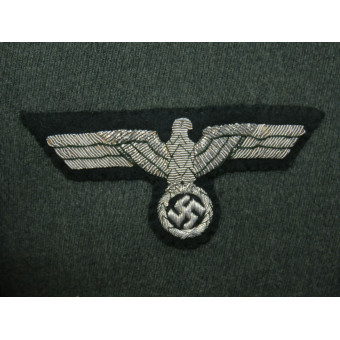
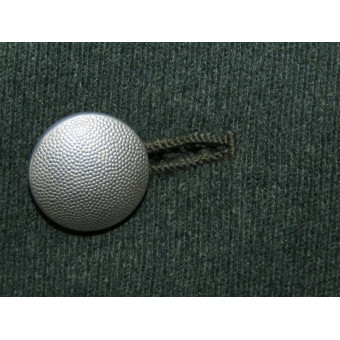
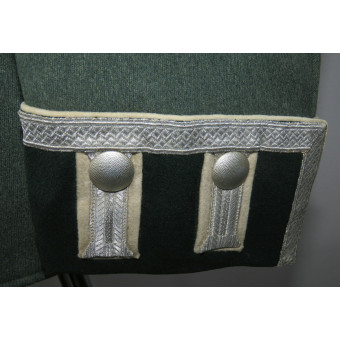
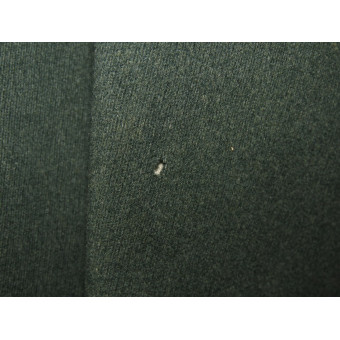
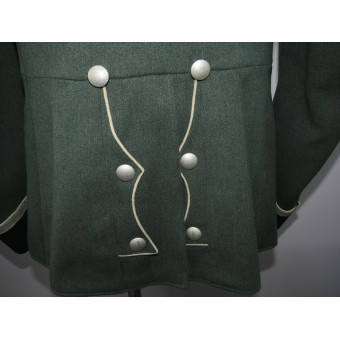
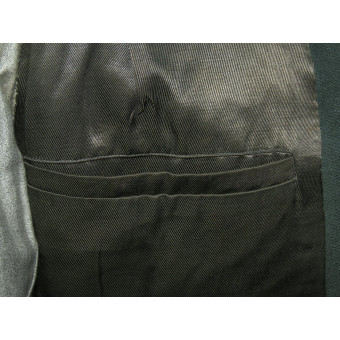
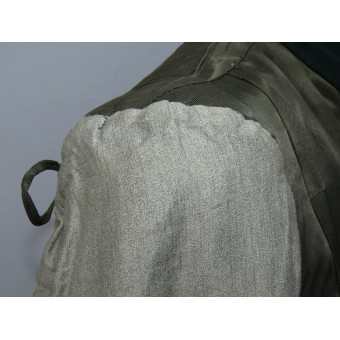
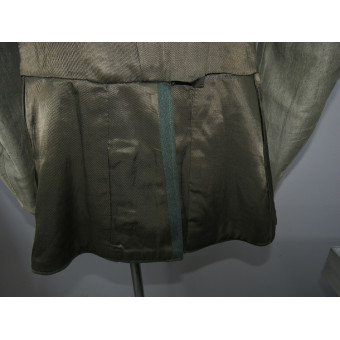
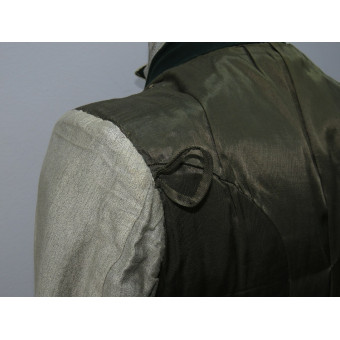
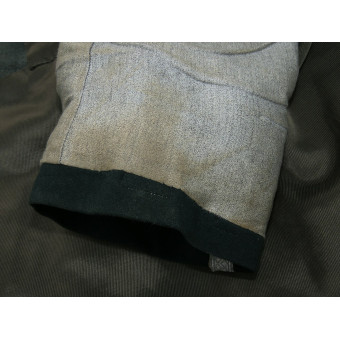
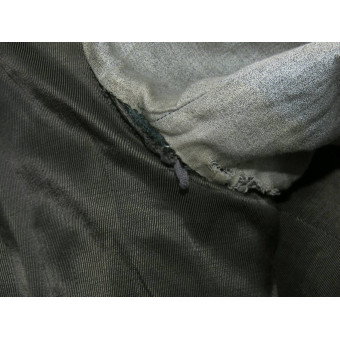
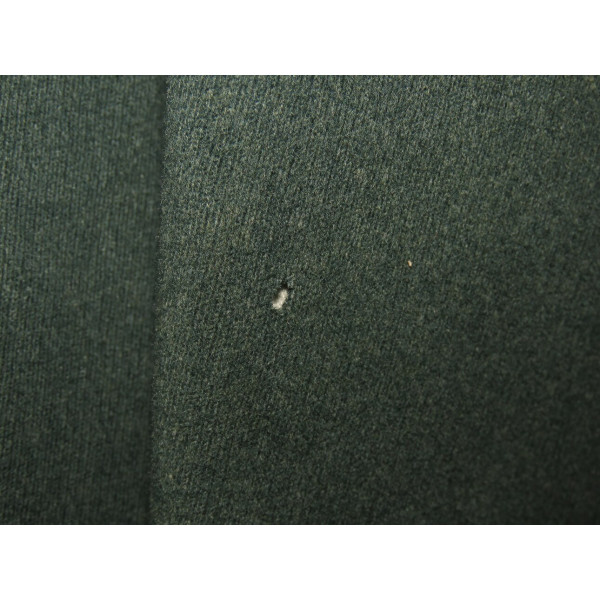
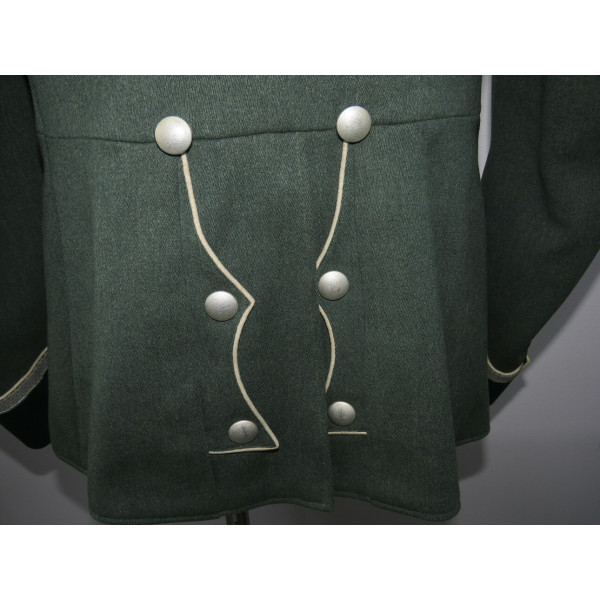
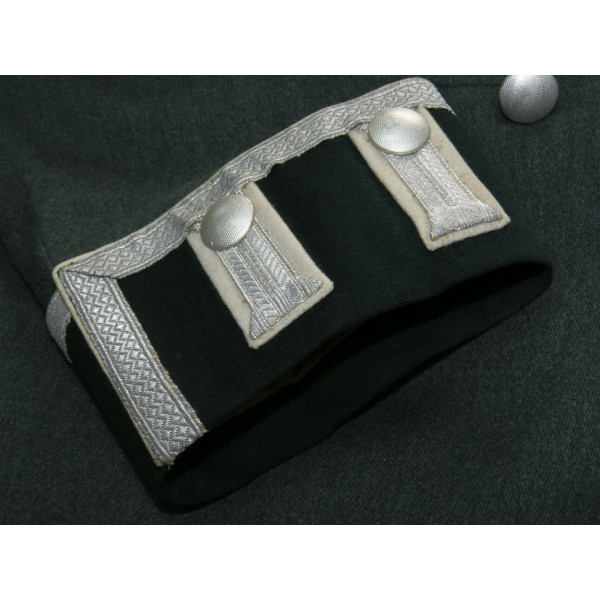
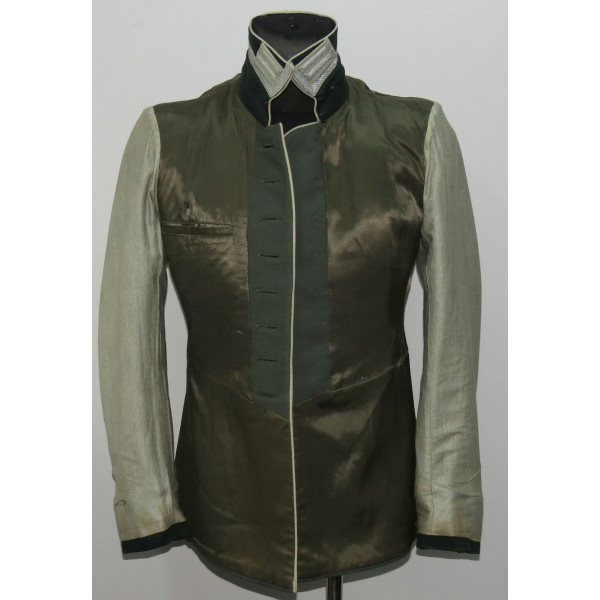
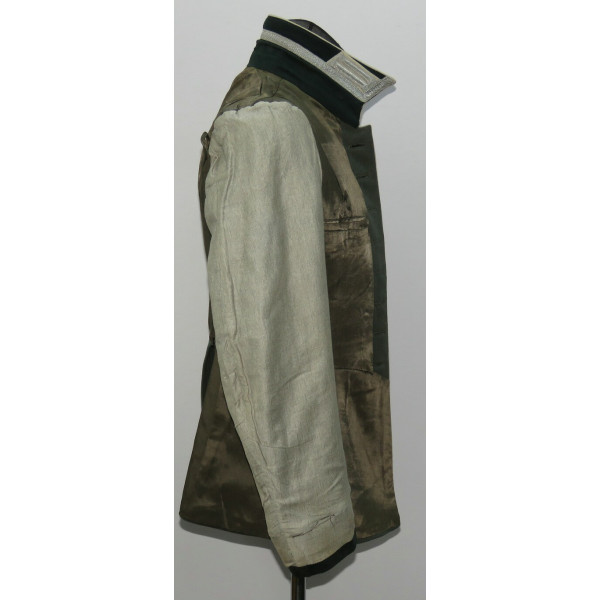
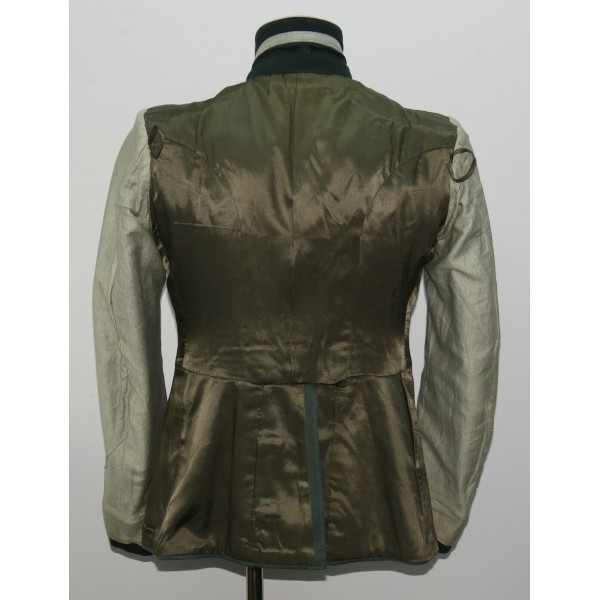
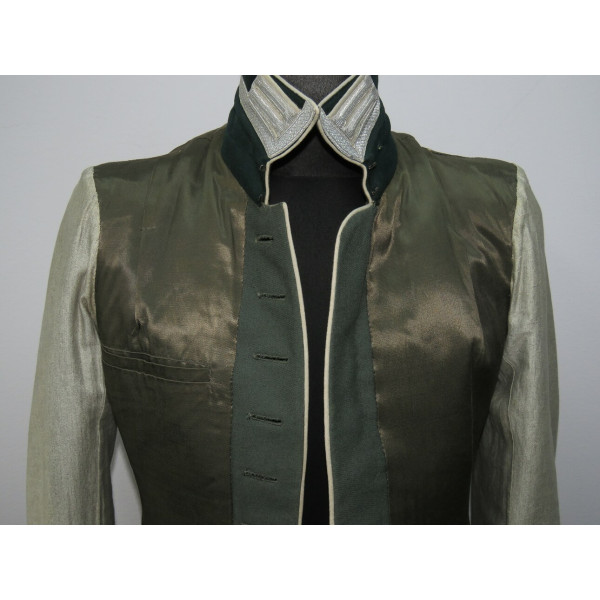
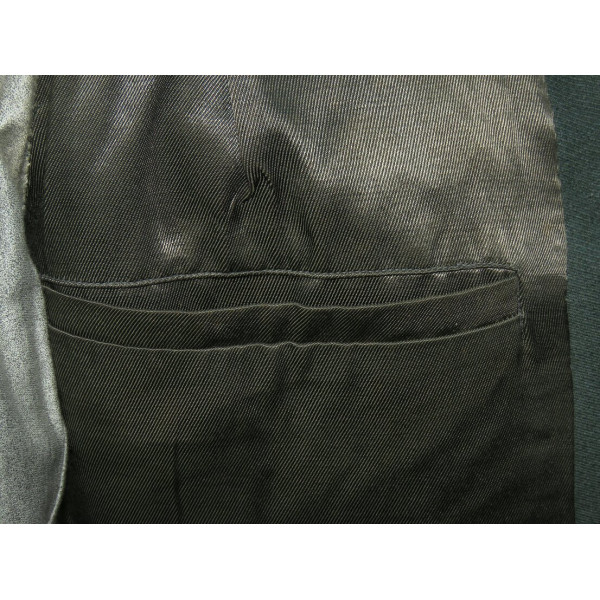
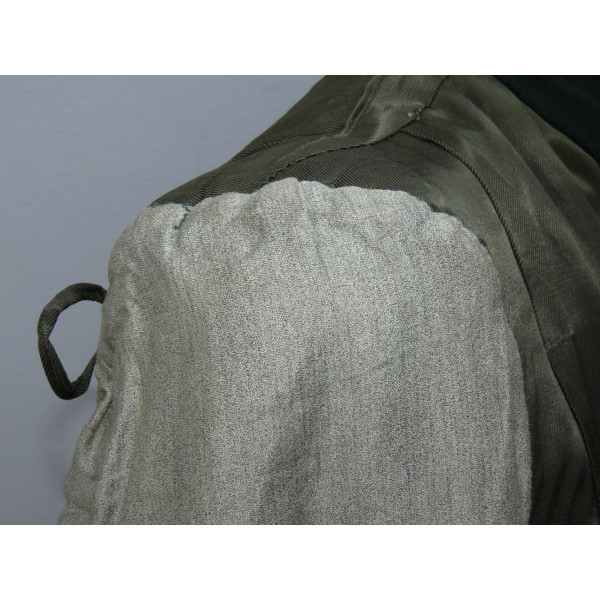
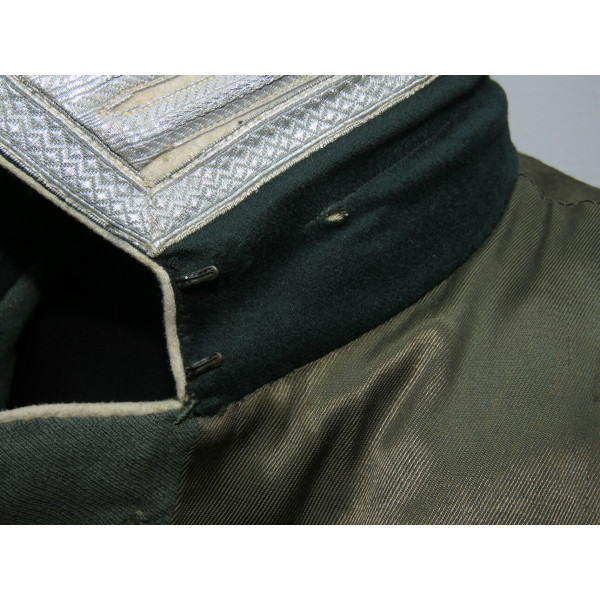
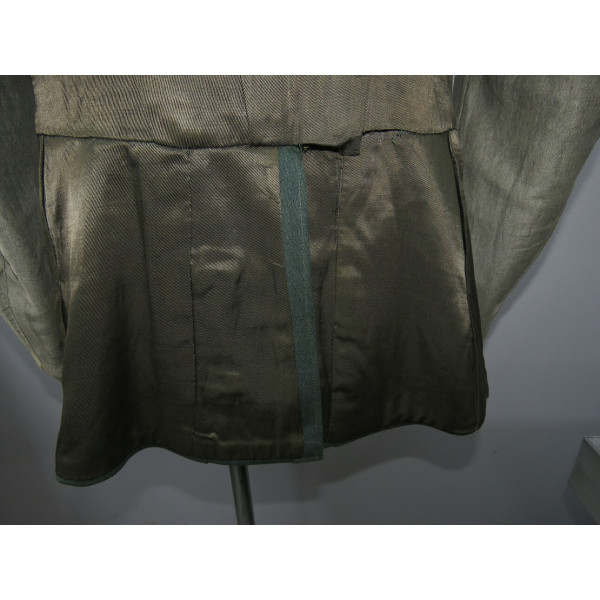
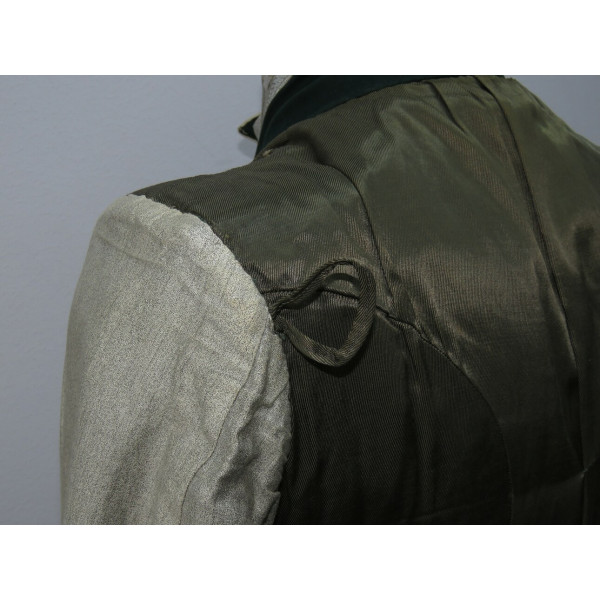
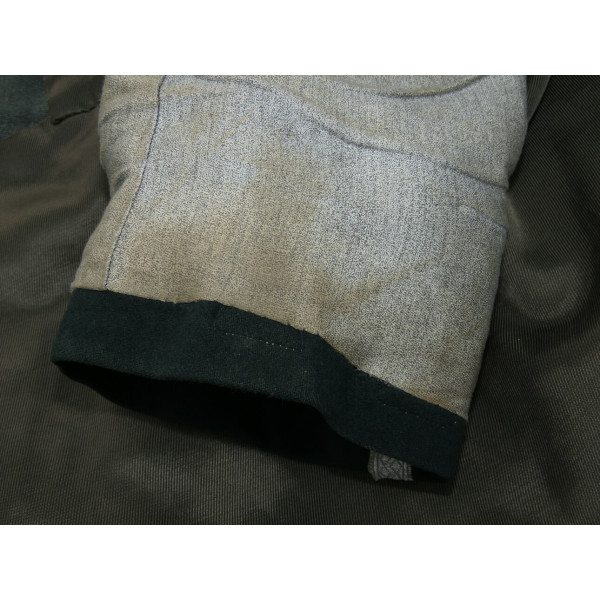
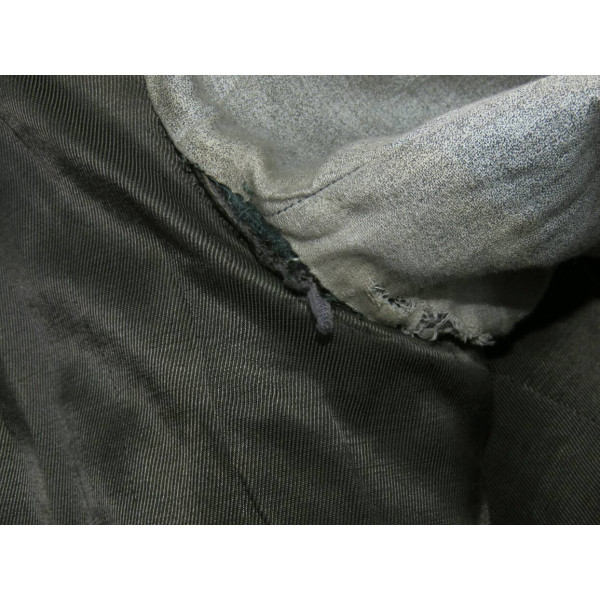
Parade Waffenrock tunic of an Oberfeldwebel from Infanterie-Regiment 15 of the Wehrmacht. Size 48. The tunic remains in excellent collectible condition with only minimal traces of wear. There is one small hole on the sleeve approximately the size of a match head, along with a barely visible moth nip on the right sleeve. No other damage is present.
Infanterie-Regiment 15 was one of the older formations of the interwar German Army, originally formed in 1921 from units of the former Prussian Army. During the mid-1930s the regiment became motorized and was incorporated into the 29th Motorized Infantry Division of the Wehrmacht.
During the 1939 Polish Campaign the regiment participated in the advance toward Warsaw and suffered early casualties during heavy forest fighting. After the campaign the unit remained in reserve within Germany before being transferred to the Western Front in spring 1940. During the French Campaign the regiment advanced through Luxembourg, the Rethel sector, the Somme region and west of Amiens during the push toward Dunkirk. In the second phase of the campaign the regiment operated under Guderian’s Panzergruppe, advancing through Saint-Dizier, the Saône and Doubs regions toward Belfort. On 17 June 1940 elements of the regiment reached the Swiss border near Pontarlier.
In 1941 the regiment was transferred to Eastern Poland for Operation Barbarossa. Its advance passed through Slonim and Minsk before taking part in combat near Smolensk. During autumn 1941 the regiment participated in the encirclement battles near Kiev and later advanced through Karachev and Bryansk toward Tula during the Battle of Moscow.
In 1942 Infanterie-Regiment 15 fought on the southern sector of the Eastern Front. The regiment saw action near Orel and Kharkov before fighting on the Don west of Voronezh. Later the unit was committed to the Stalingrad sector, participating both in the fighting west of the city and in the urban battles themselves. Together with the German 6th Army the regiment became encircled and was destroyed near Beketovka on the southern outskirts of Stalingrad in February 1943.
The Waffenrock retains its original wartime appearance and represents an excellent example
Description
Parade Waffenrock tunic of an Oberfeldwebel from Infanterie-Regiment 15 of the Wehrmacht. Size 48. The tunic remains in excellent collectible condition with only minimal traces of wear. There is one small hole on the sleeve approximately the size of a match head, along with a barely visible moth nip on the right sleeve. No other damage is present.
Infanterie-Regiment 15 was one of the older formations of the interwar German Army, originally formed in 1921 from units of the former Prussian Army. During the mid-1930s the regiment became motorized and was incorporated into the 29th Motorized Infantry Division of the Wehrmacht.
During the 1939 Polish Campaign the regiment participated in the advance toward Warsaw and suffered early casualties during heavy forest fighting. After the campaign the unit remained in reserve within Germany before being transferred to the Western Front in spring 1940. During the French Campaign the regiment advanced through Luxembourg, the Rethel sector, the Somme region and west of Amiens during the push toward Dunkirk. In the second phase of the campaign the regiment operated under Guderian’s Panzergruppe, advancing through Saint-Dizier, the Saône and Doubs regions toward Belfort. On 17 June 1940 elements of the regiment reached the Swiss border near Pontarlier.
In 1941 the regiment was transferred to Eastern Poland for Operation Barbarossa. Its advance passed through Slonim and Minsk before taking part in combat near Smolensk. During autumn 1941 the regiment participated in the encirclement battles near Kiev and later advanced through Karachev and Bryansk toward Tula during the Battle of Moscow.
In 1942 Infanterie-Regiment 15 fought on the southern sector of the Eastern Front. The regiment saw action near Orel and Kharkov before fighting on the Don west of Voronezh. Later the unit was committed to the Stalingrad sector, participating both in the fighting west of the city and in the urban battles themselves. Together with the German 6th Army the regiment became encircled and was destroyed near Beketovka on the southern outskirts of Stalingrad in February 1943.
The Waffenrock retains its original wartime appearance and represents an excellent example
Payment & Delivery