« back

Feldbluse Wehrmacht M36 Der Spieß Panzerabwehrabteilung 8

Branch: HEER
Product Code: o476/5
Out of stock

Description

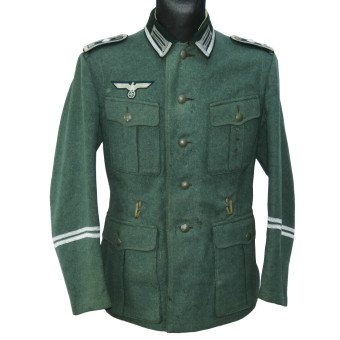
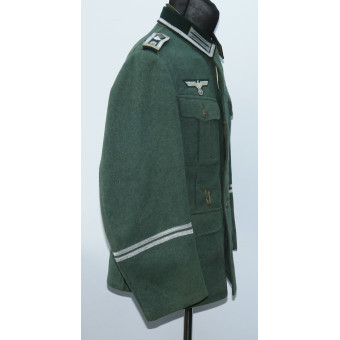
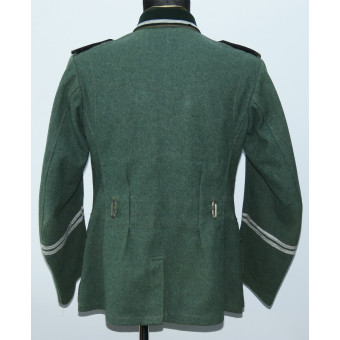
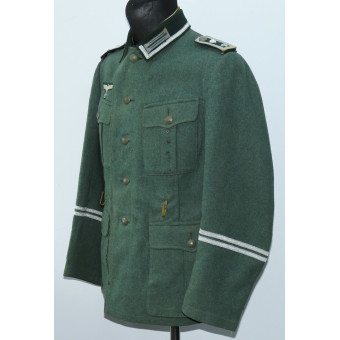
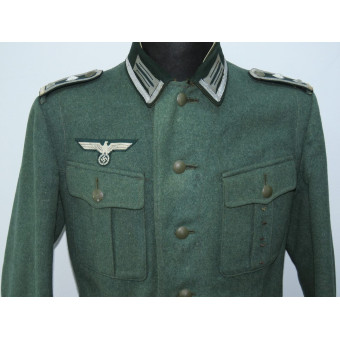
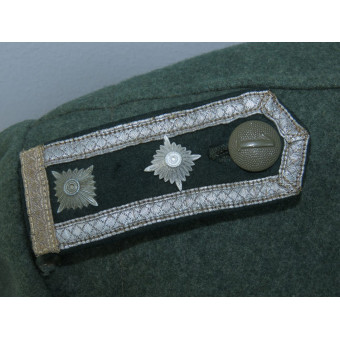
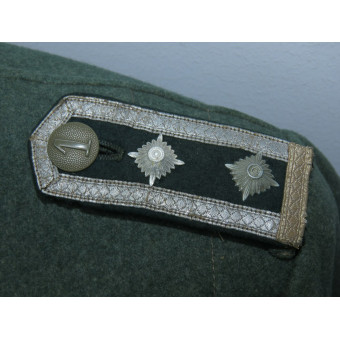
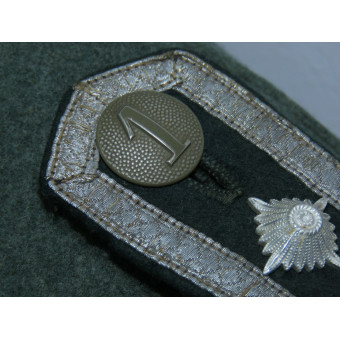
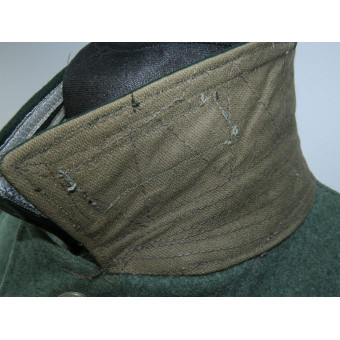
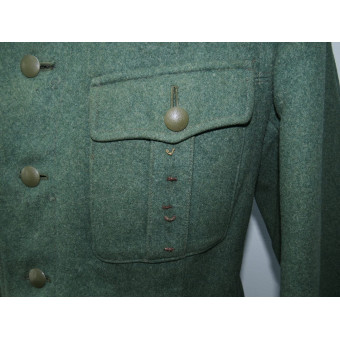
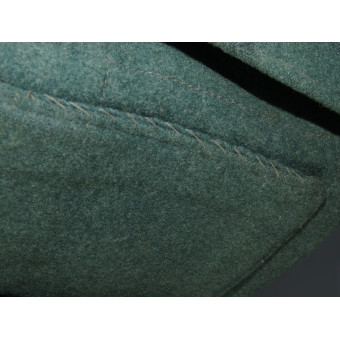
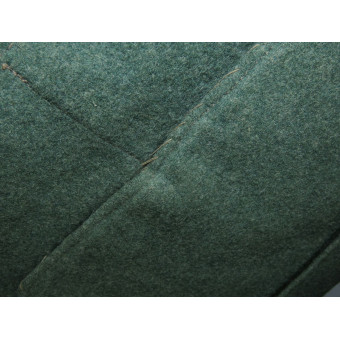
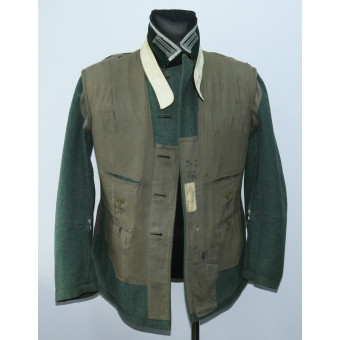
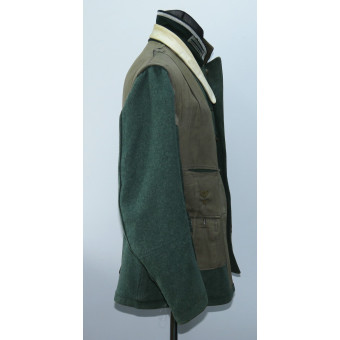
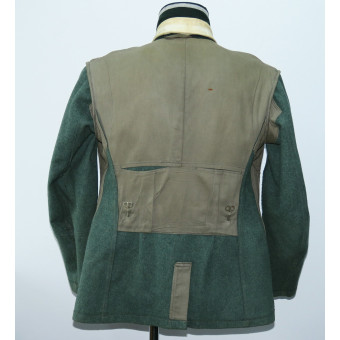
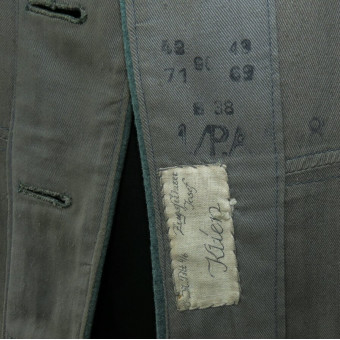
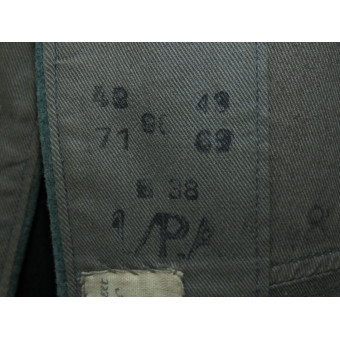
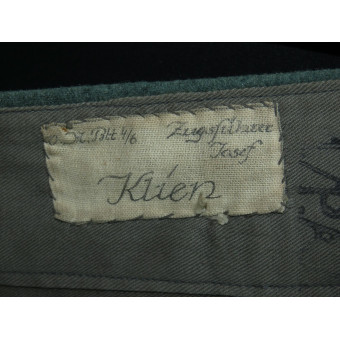
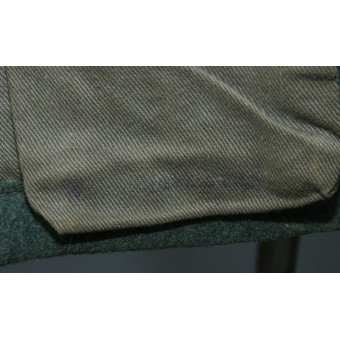
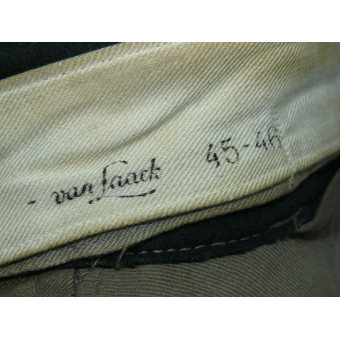
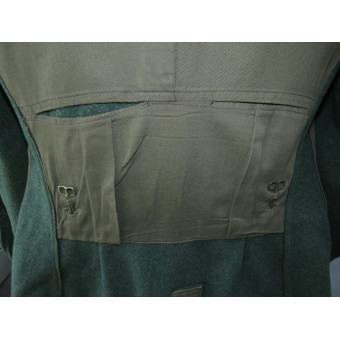
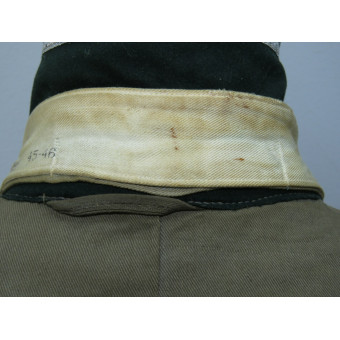
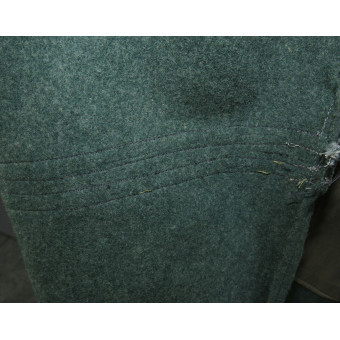
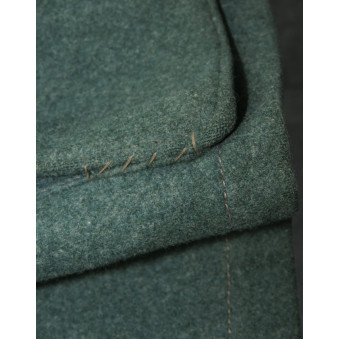
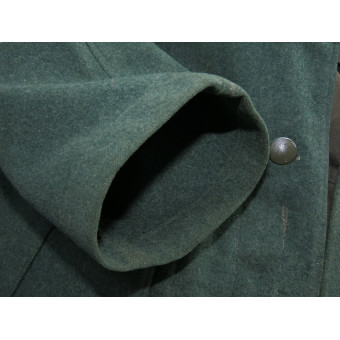
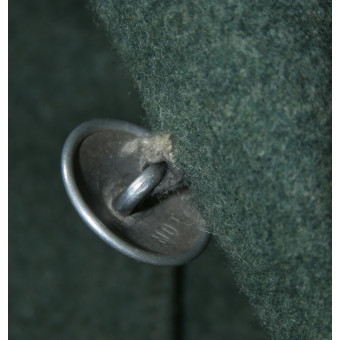
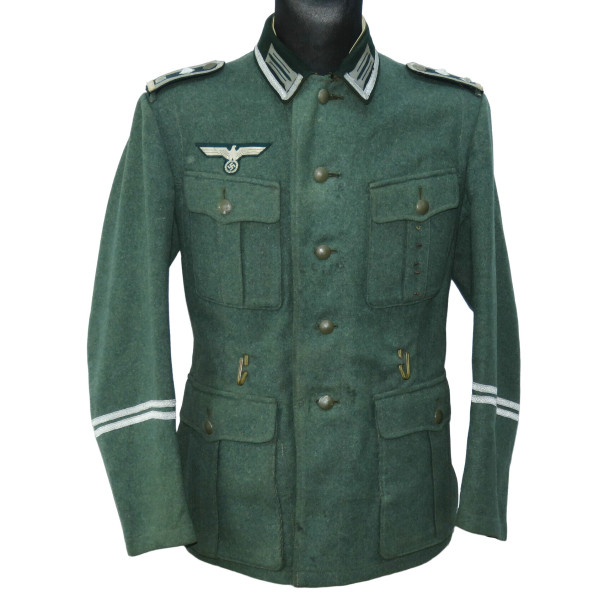
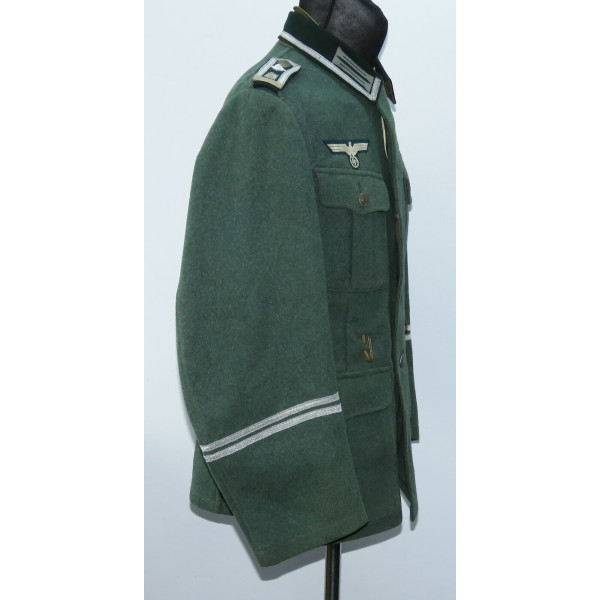
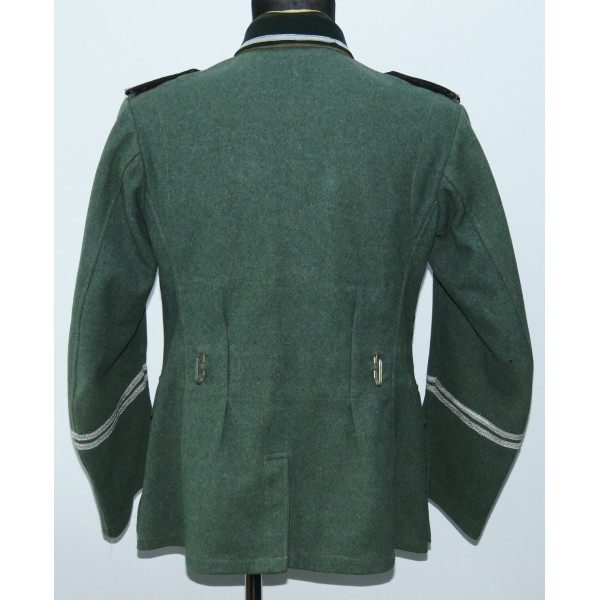
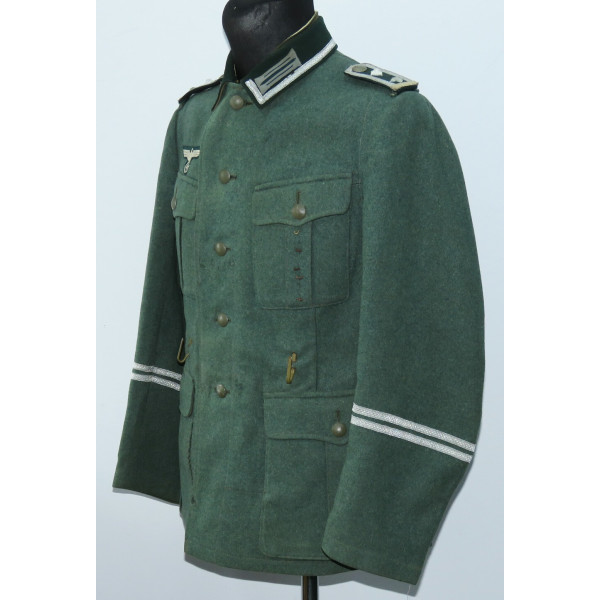
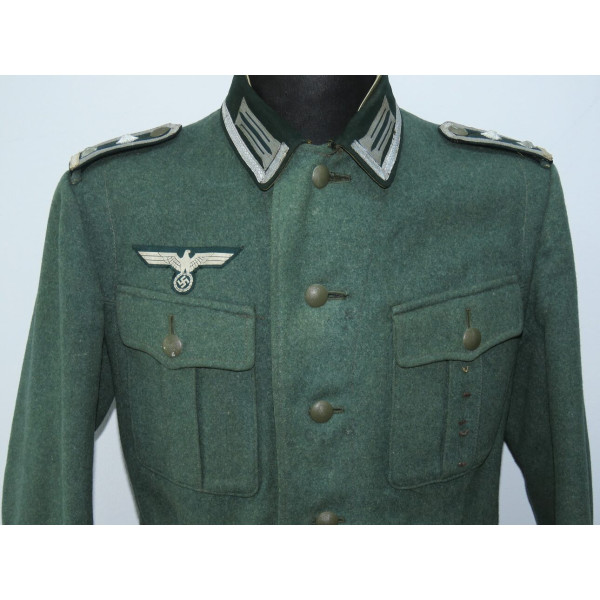
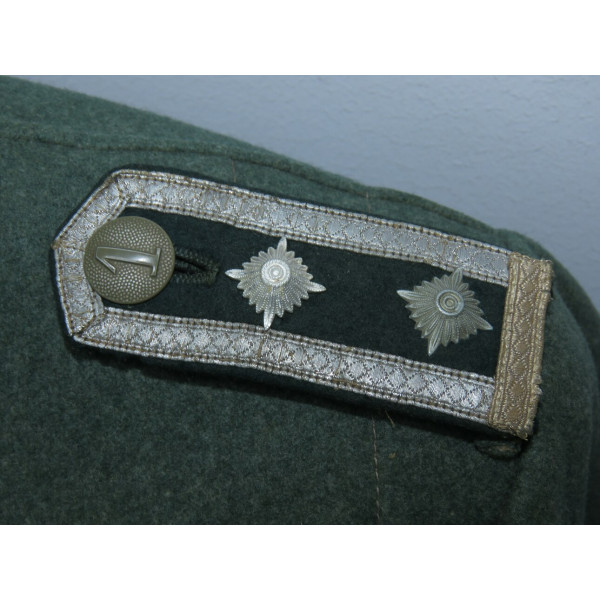
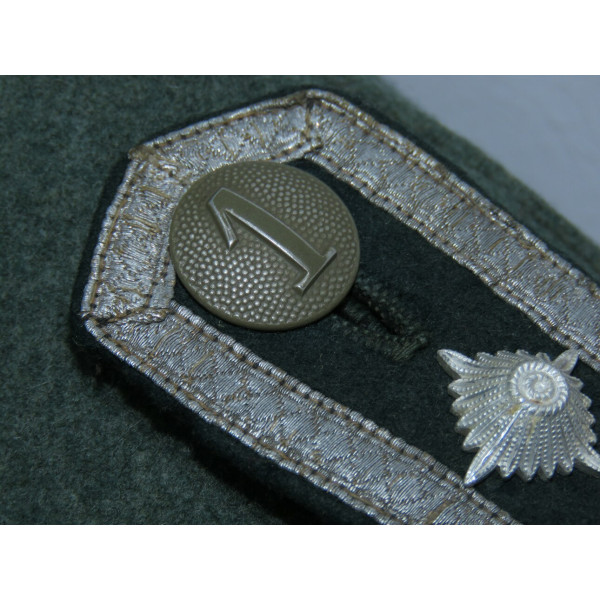
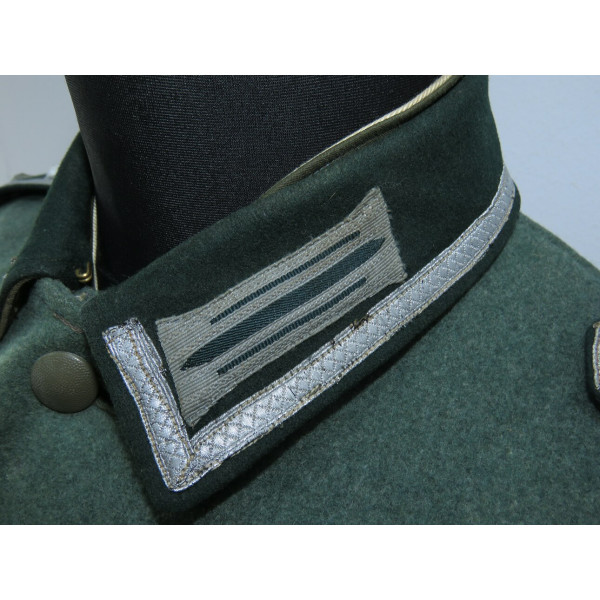
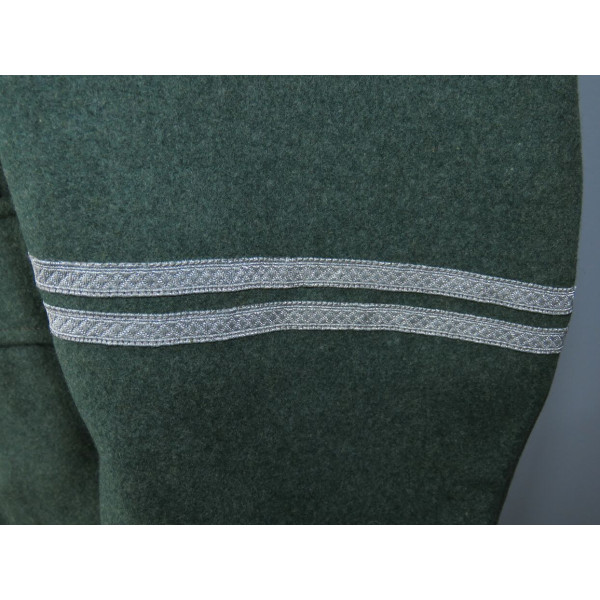
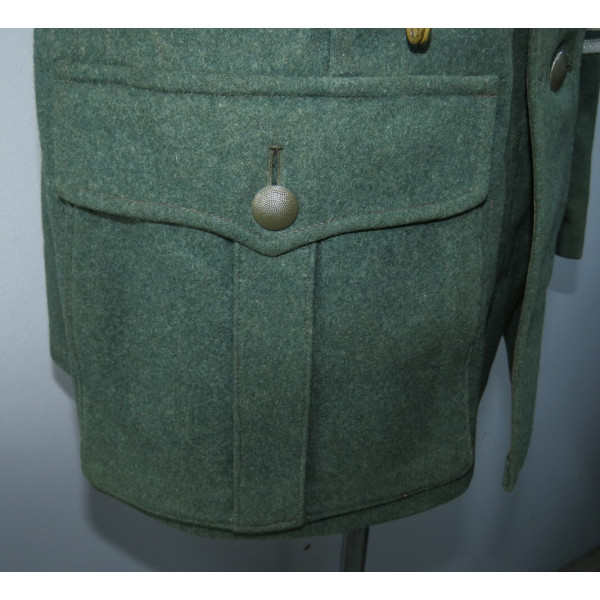
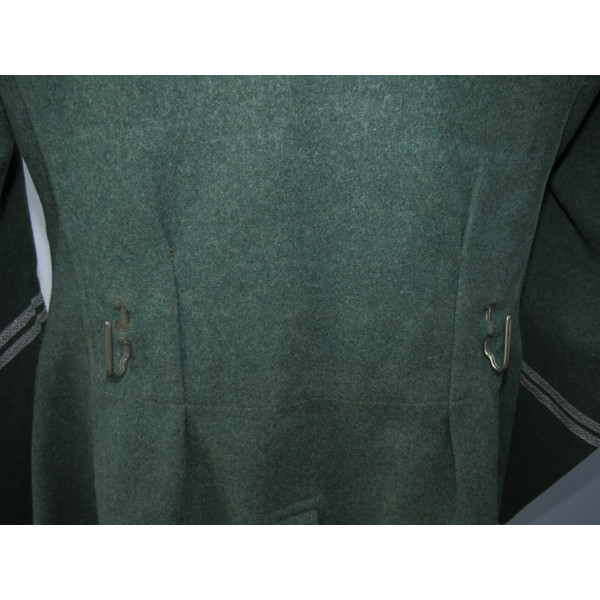
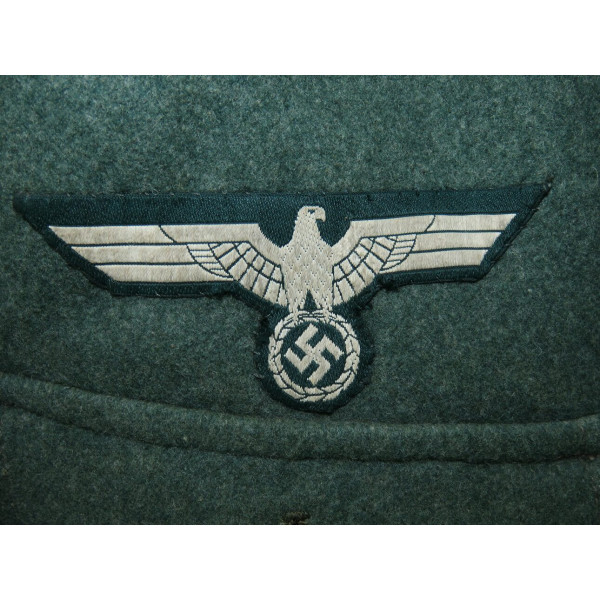
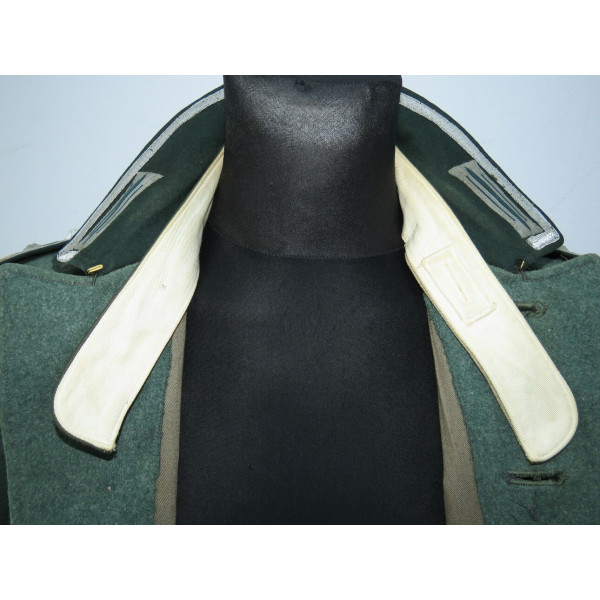
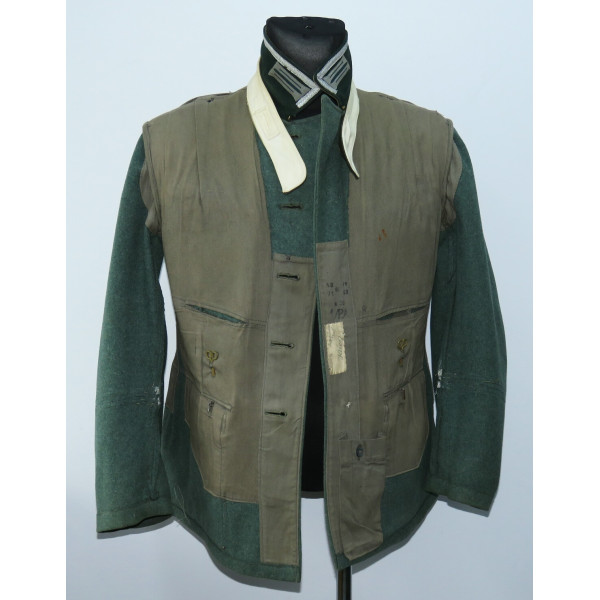
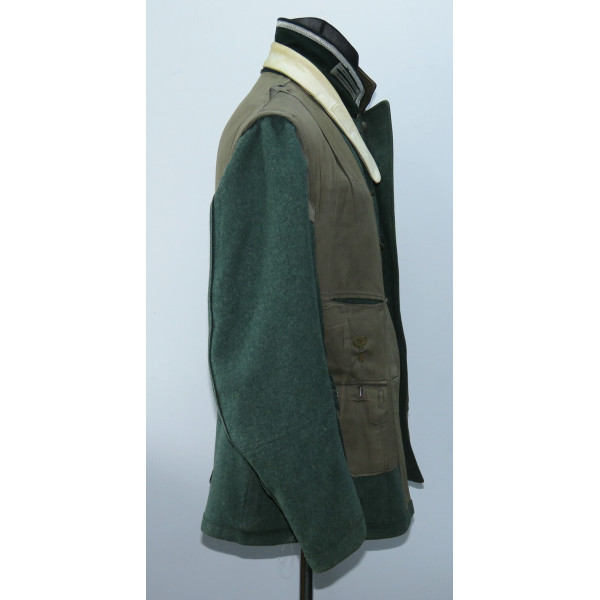
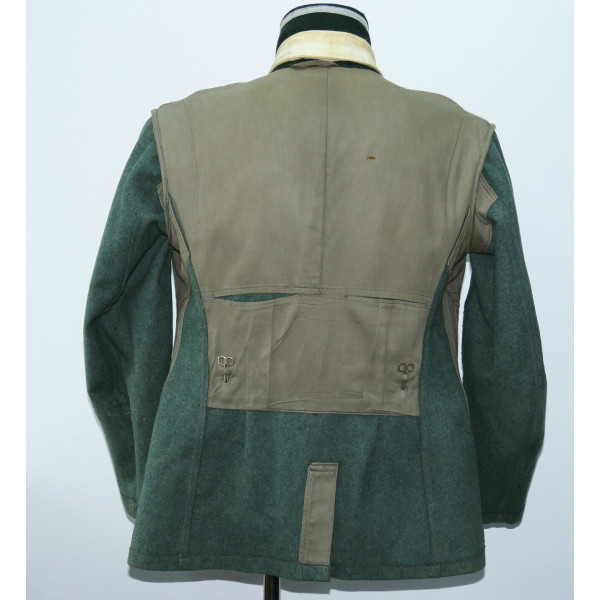
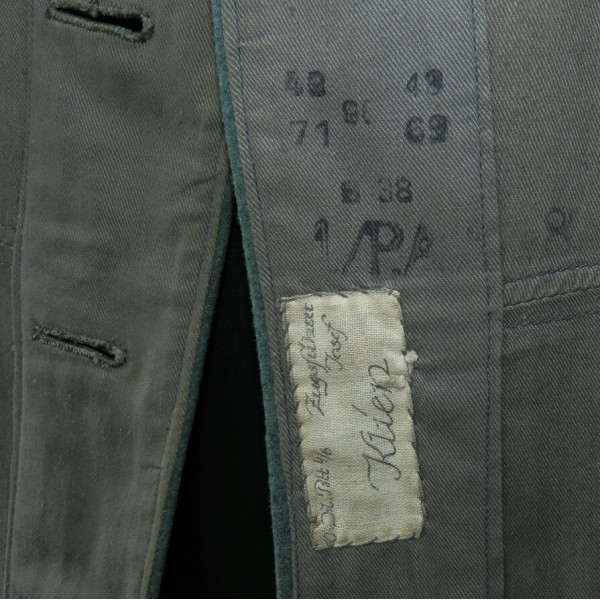
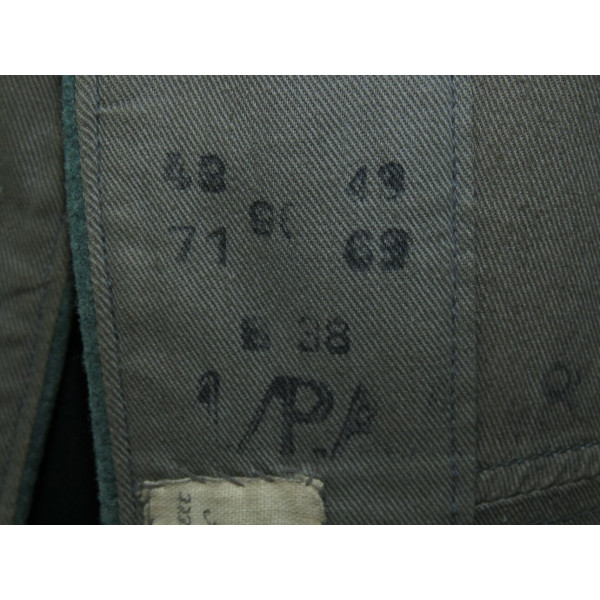
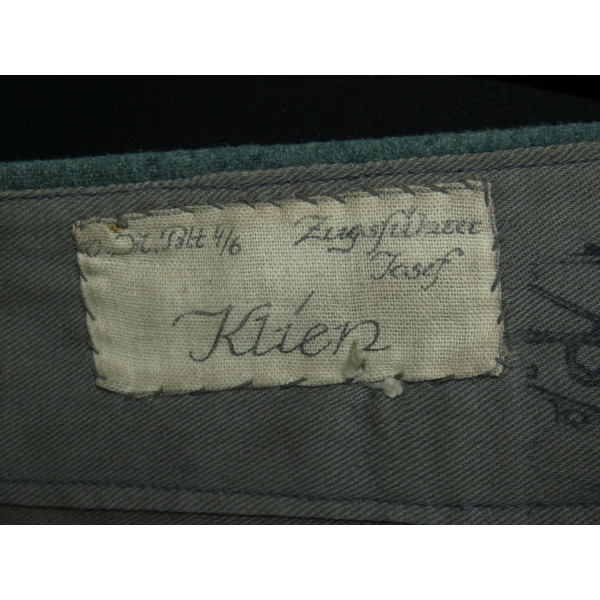
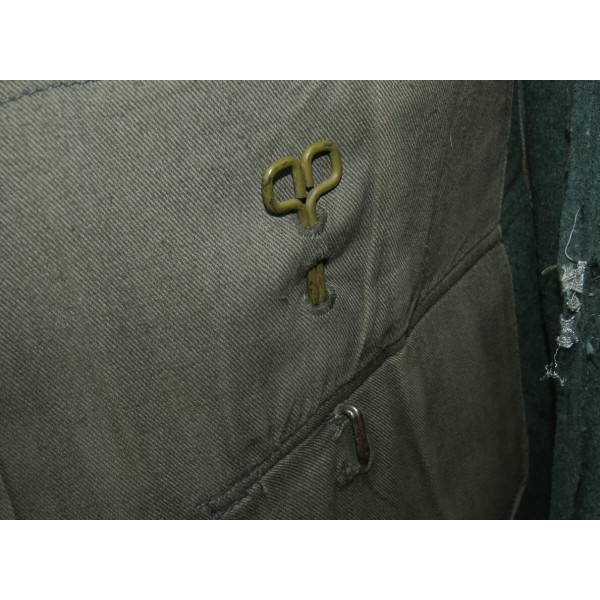
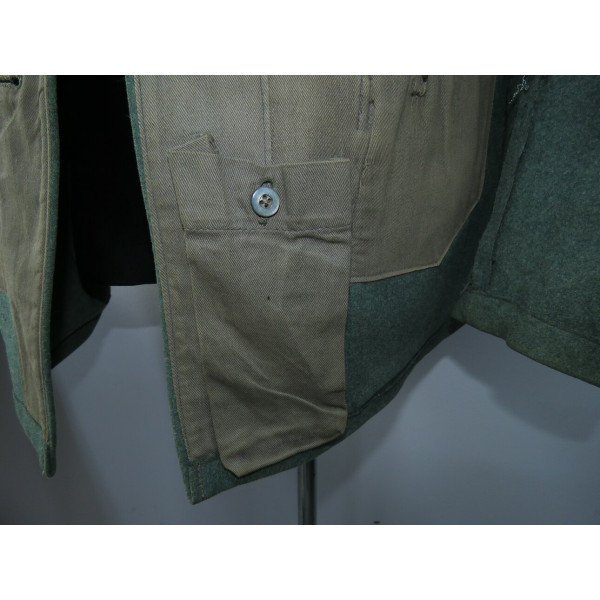
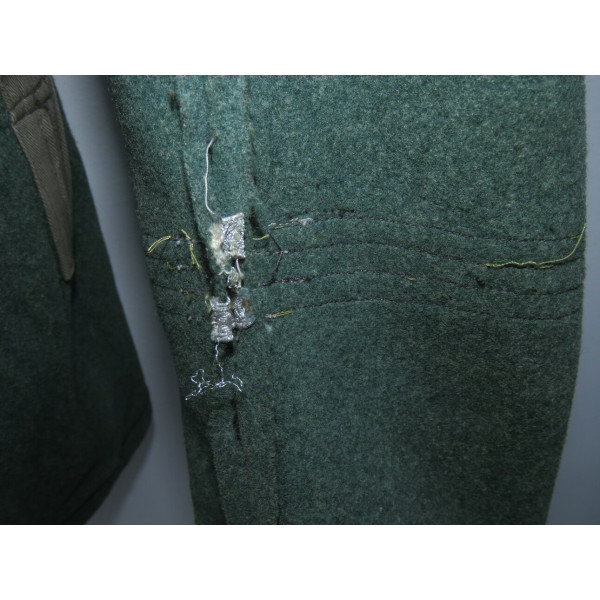
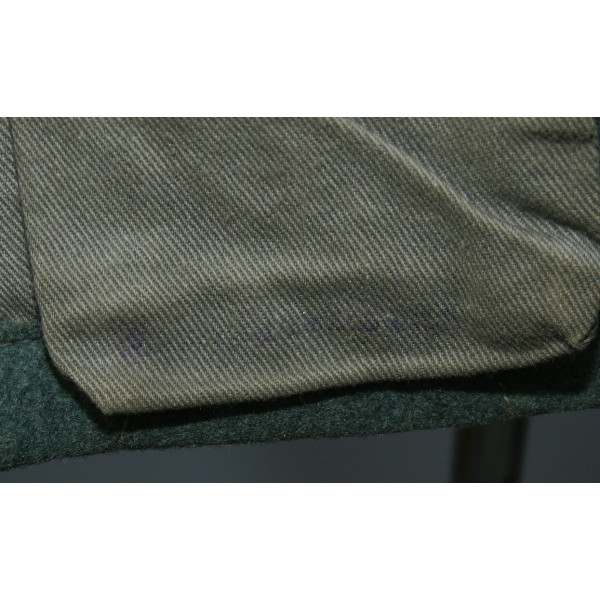
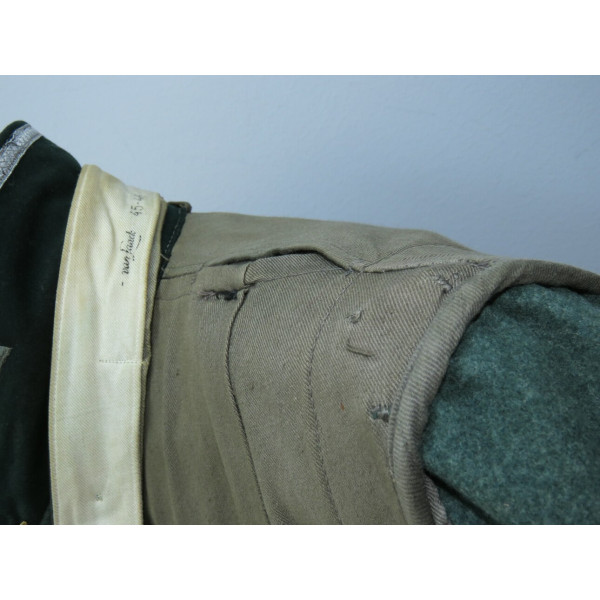
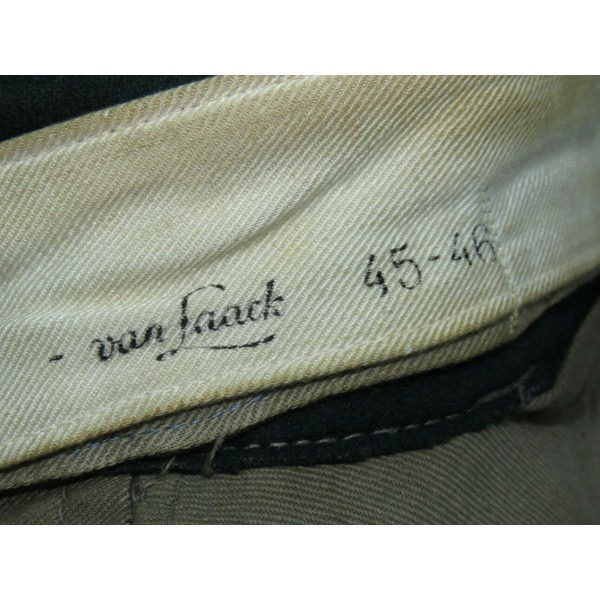
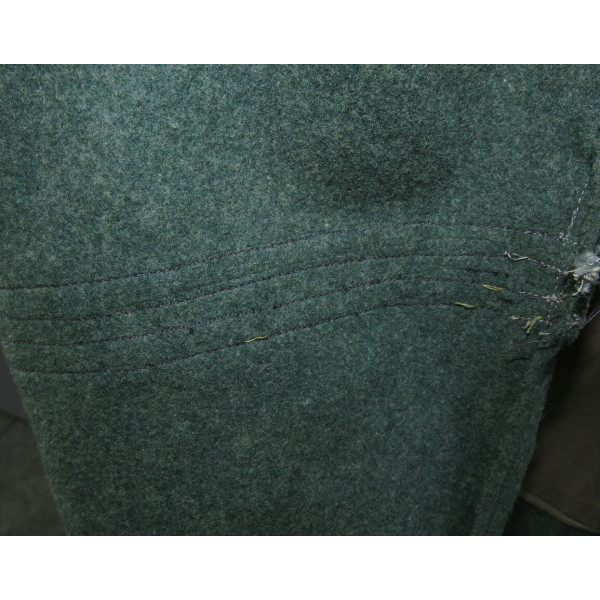
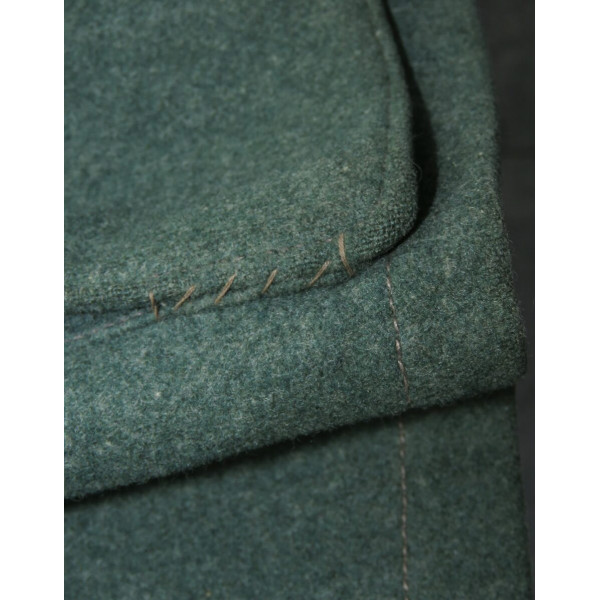
Field tunic of the Wehrmacht, model M36, tailored from early production wool cloth in Feldgrau with a characteristic turquoise hue. Inside are preserved size markings, the army depot code BERLIN 38 (B38), and the unit stamp “1./P.A.A.8”, designating 1st Company of the 8th Anti-Tank Battalion (Panzerabwehrabteilung 8). Additionally, a hand-sewn label “S.M.BTL 4/6” with the name Zugführer Josef Klien is present; most likely this corresponds to Schwere MG-Bataillon, consistent with the fact that during mobilization in 1939 the 1./MGK 48 was attached to Panzerabwehrabteilung 8 as its 4th Company.

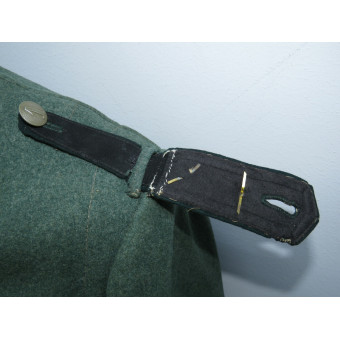
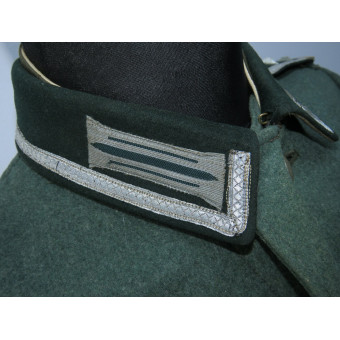
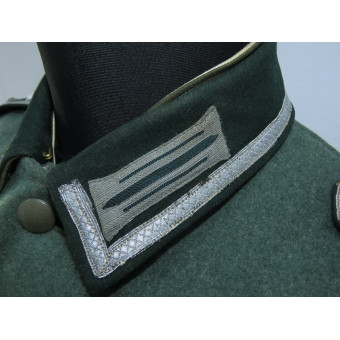
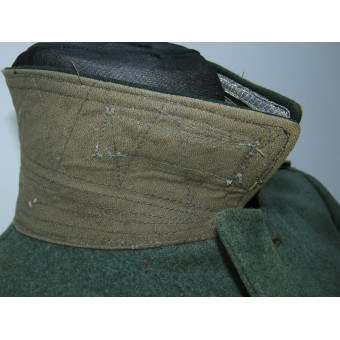
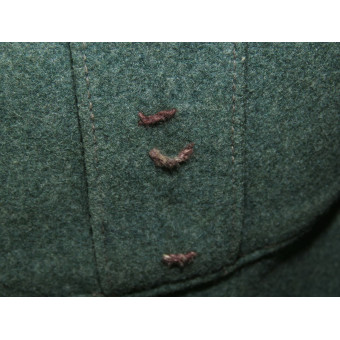
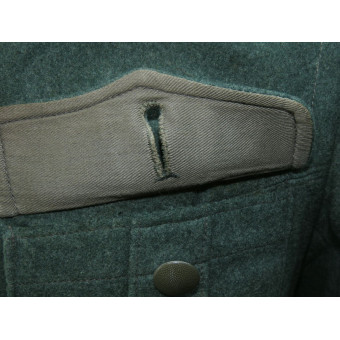
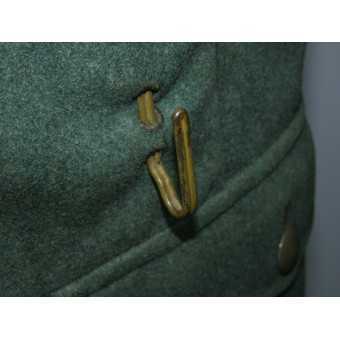
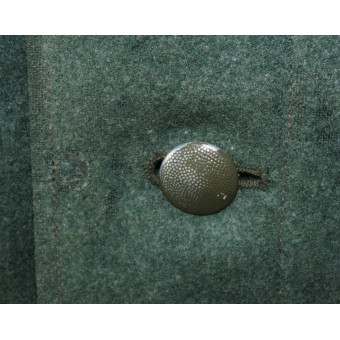
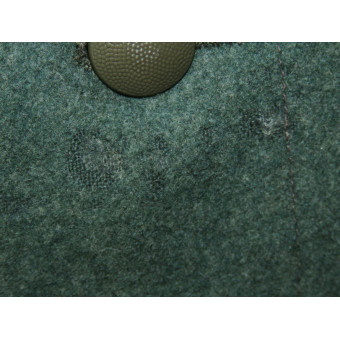
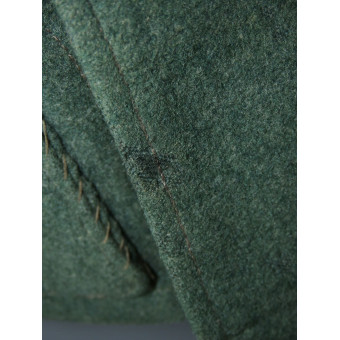
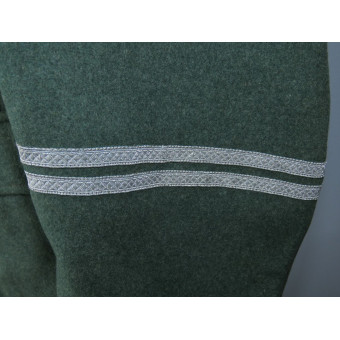
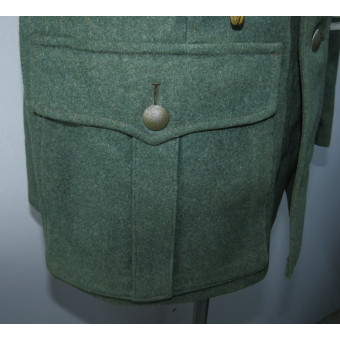
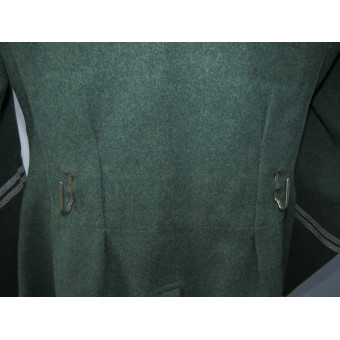
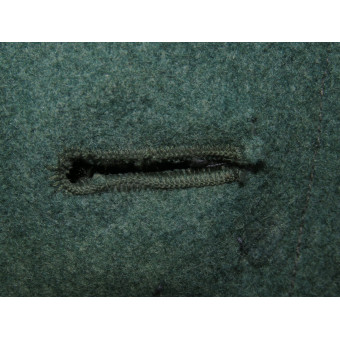
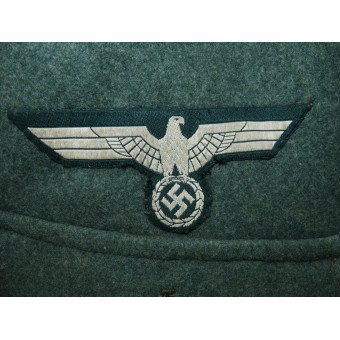
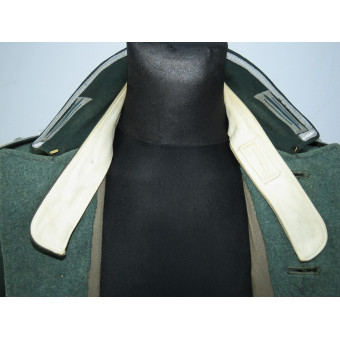
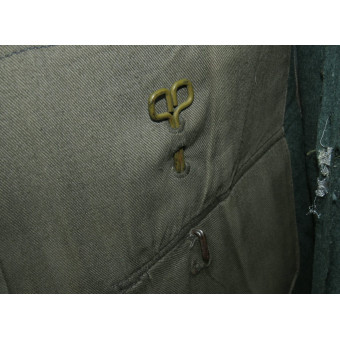
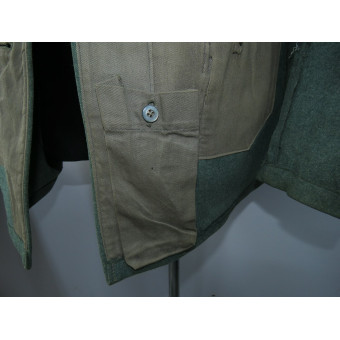
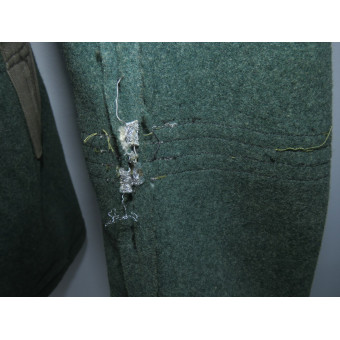
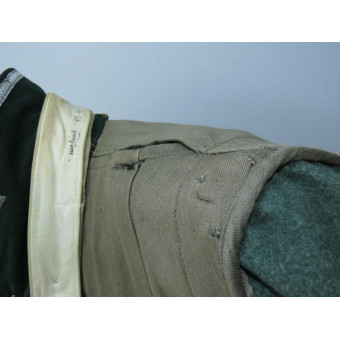
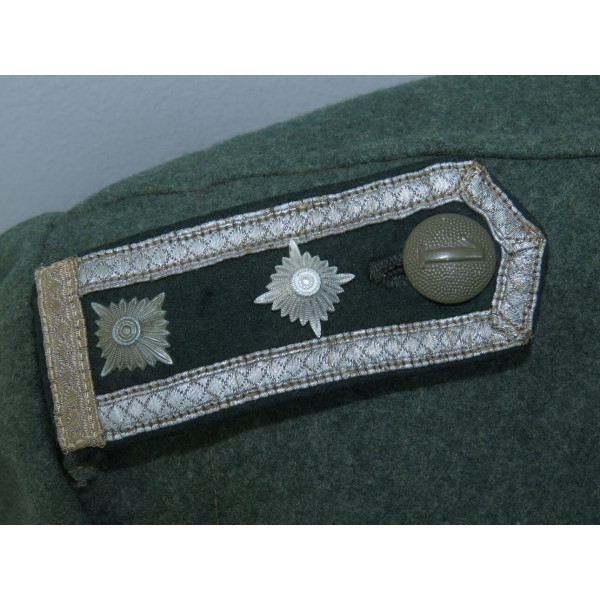
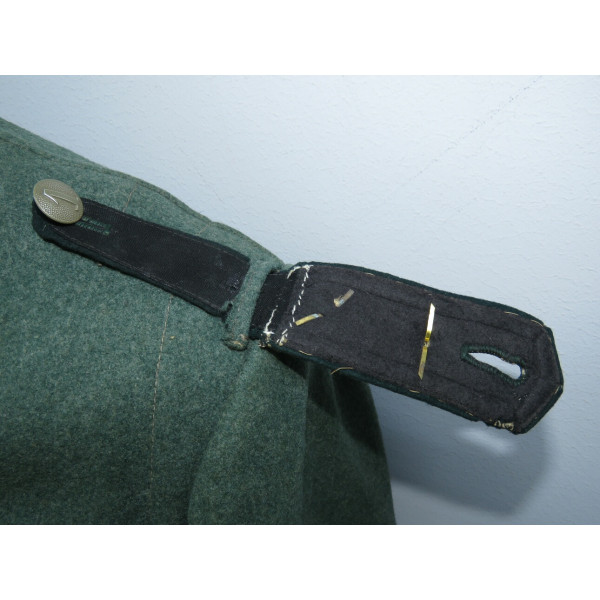
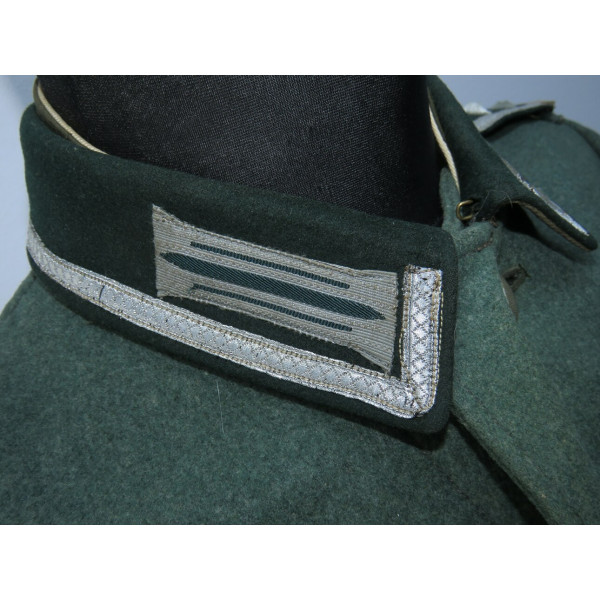
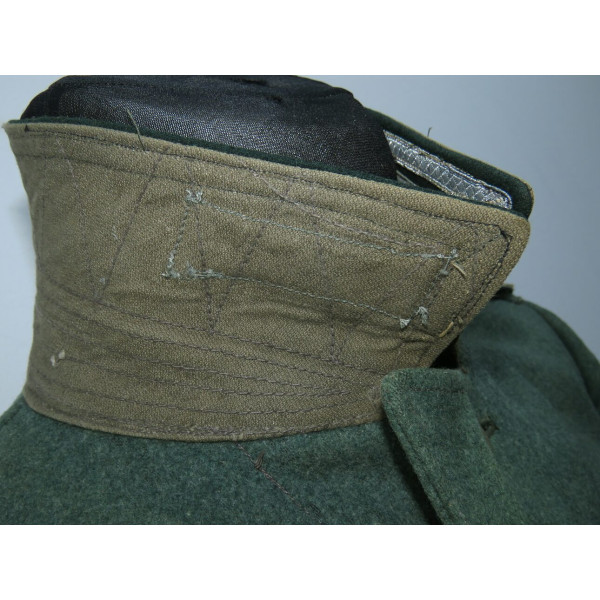
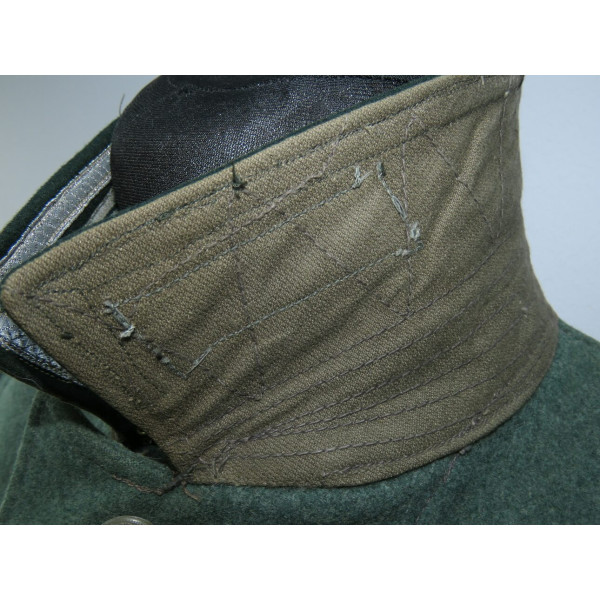
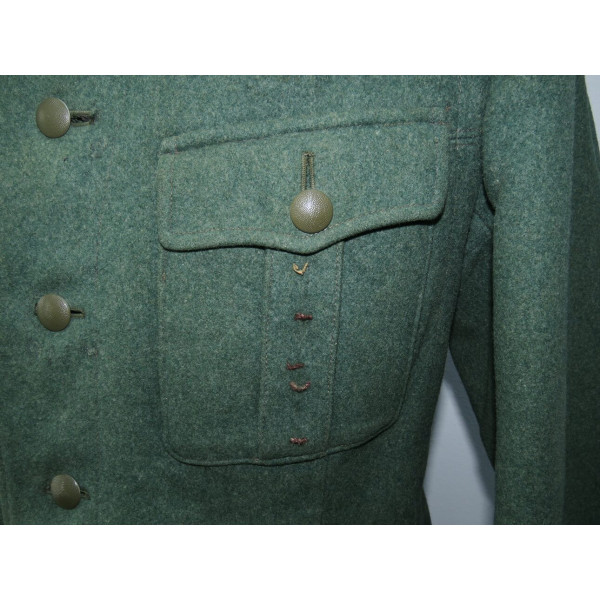
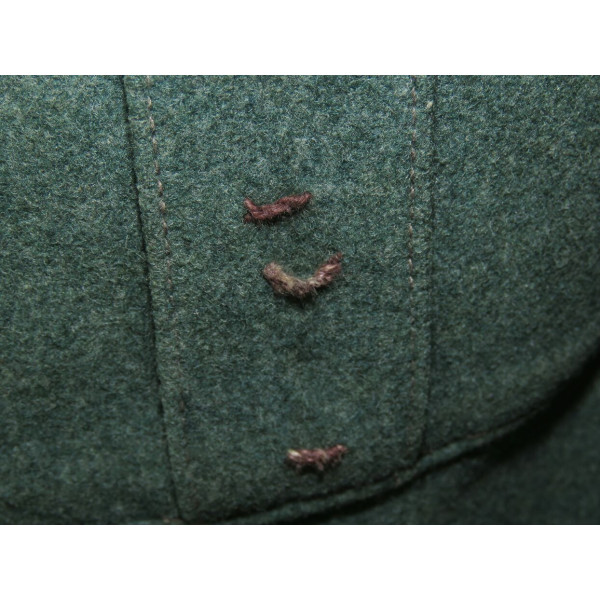
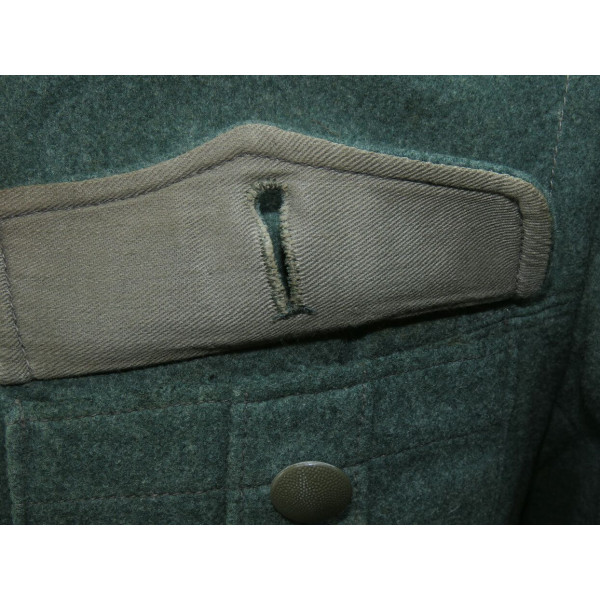
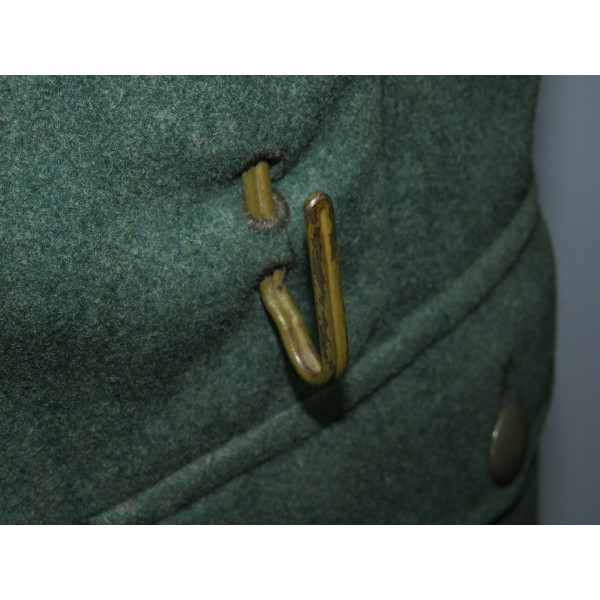
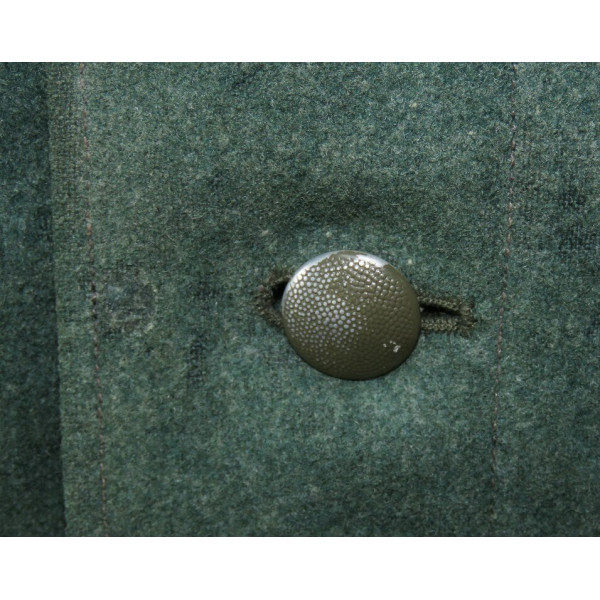
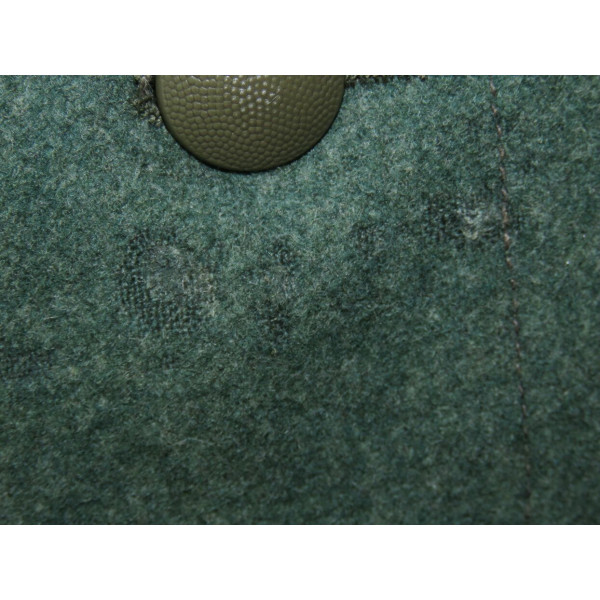
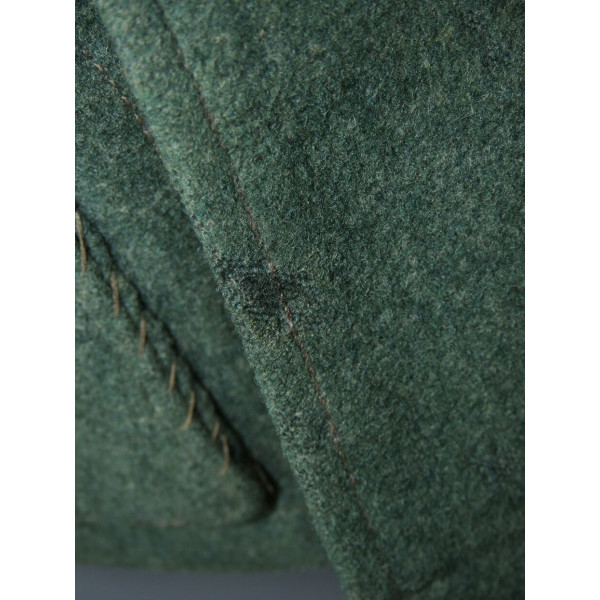
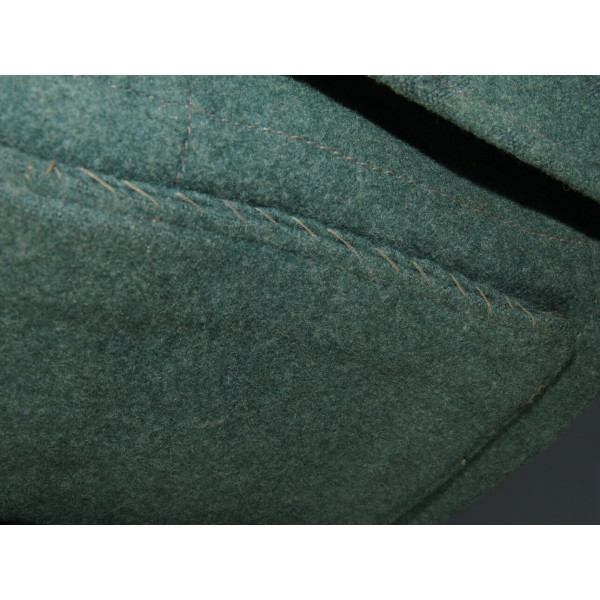
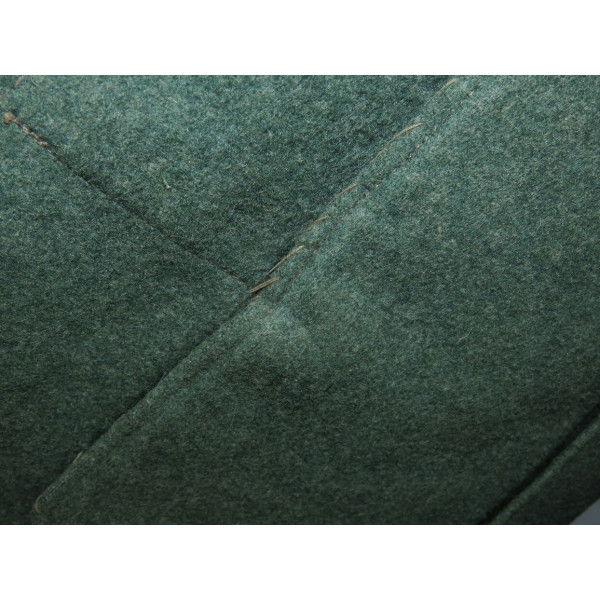
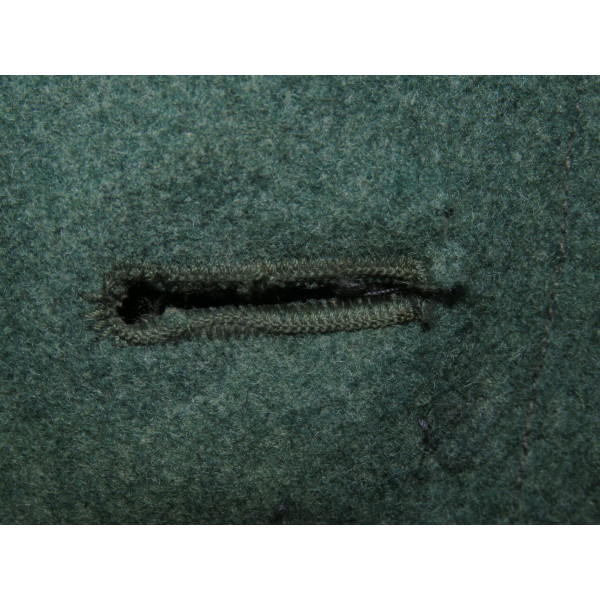
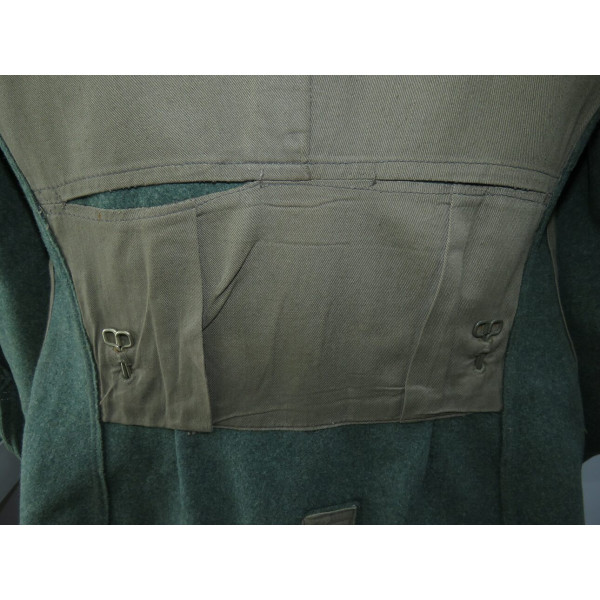
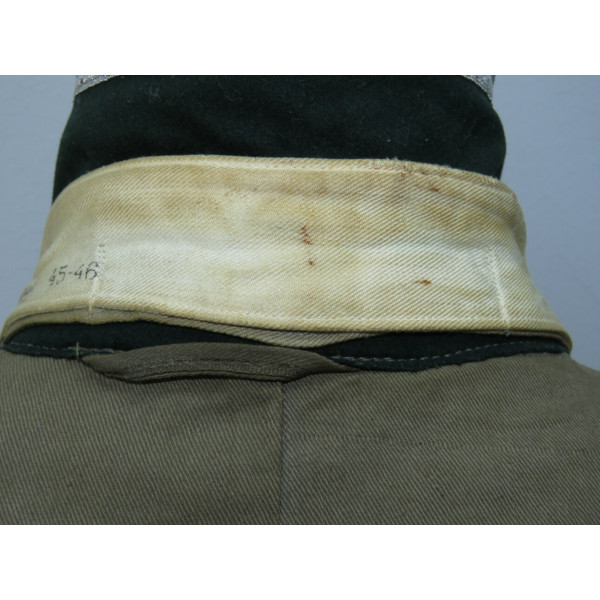
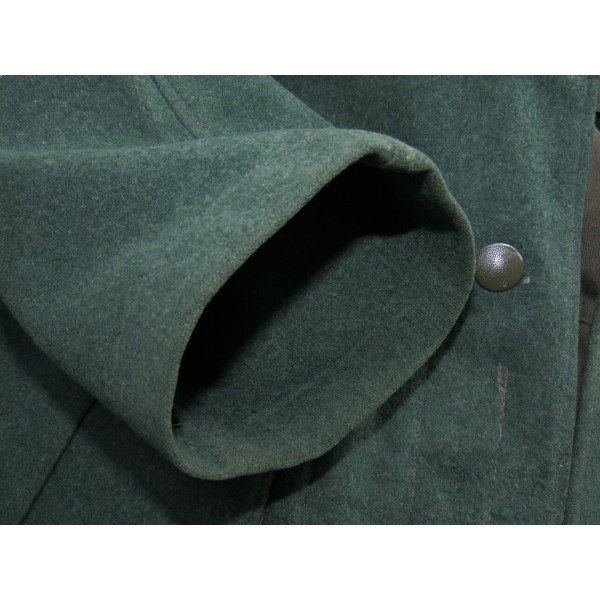
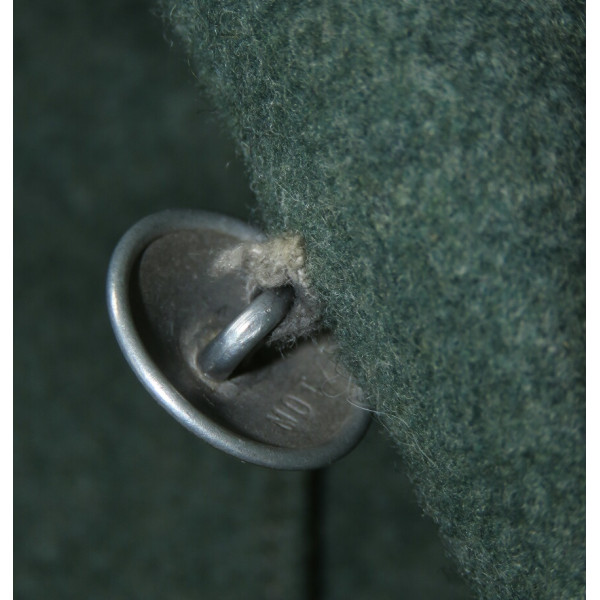
The tunic is equipped with a standard Wehrmacht collar liner and original belt hooks. Shoulder strap buttons were sewn later. The Einheitskragenspiegel collar tabs were added in regulation style, as the tunic most likely once had a different pattern of tabs, privately purchased from a military store to enhance its appearance. A later owner restored the tunic with the correct M36 tabs. The eagle is applied in the original manner, with the upper stitching slightly loosened from wear, not critical. The NCO tresse on the collar is period-applied, while on the cuffs it has been reapplied to the original positions where it was once sewn by the owner. It is a large size, approximately 52–54. There are small, barely visible moth traces near the second and third buttonholes. The left breast pocket retains loops for decorations. Overall, the tunic is in excellent condition.

8th Panzerabwehrabteilung within the 8th Infantry Division / 8. leichte Infanterie-Division / 8. Jäger-Division

On 1 October 1934, in Oppeln (Wehrkreis III), the divisional staff was formed under the cover name Artillerieführer III as part of the secret expansion of the Reichswehr. On 15 October 1935, after the official unveiling of military structures, the unit was redesignated 8. Infanterie-Division and assigned to Wehrkreis VIII.

In September 1939, as part of the 14th Army, the division took part in the Polish Campaign: advancing from Silesia, it entered Kraków, crossed the San, and fought against the Polish Army in the areas between Lwów and Lublin, as well as between the Bug and San rivers. In October 1939, it was transferred west and deployed in the Eifel.

From 10 May 1940, the division took part in the French Campaign under the 4th Army. Advancing through Belgium, it crossed the rivers Salm, Ourthe, and Meuse, then crossed the Sambre and advanced to Dunkirk. In the second phase, it pushed through the Oise and the Somme towards Paris. On 14 June 1940, it entered Paris together with the 28th Infantry Division. Later, it crossed the Loire at Tours and concentrated in Rouen, where it remained at the end of the campaign. After the French capitulation, it served as an occupation force.

In spring 1941, the division was transferred to East Prussia, and from June it took part in Operation “Barbarossa” within Army Group Centre: Bryansk, Vyazma, and the advance on Moscow. In November 1941, it was withdrawn from the front and sent to France, where it was reorganized as 8. leichte Infanterie-Division. In 1942, it suffered heavy losses in the Demyansk area, later fighting at Lake Ilmen and near Pskov. Subsequently, after reorganization, it was redesignated 8. Jäger-Division. It fought in the Carpathians, Northern Hungary, and Slovakia, and ended the war in Moravia in May 1945.

Command structure and deployments (key dates):

  • September 1939 – VIII Army Corps, 14th Army, Army Group South, Southern Poland

  • October 1939 – VIII Army Corps, 4th Army, Army Group B, Eifel

  • May 1940 – VIII Army Corps, 4th Army, Army Group A, Belgium, France

  • June 1940 – VIII Army Corps, Reserve, Army Group B, France

  • July 1940 – VIII Army Corps, 7th Army, Army Group B, Rouen

  • August 1940 – VIII Army Corps, 9th Army, Army Group A, Rouen

  • May 1941 – VIII Army Corps, 9th Army, Army Group B, East Prussia

  • June 1941 – VIII Army Corps, 9th Army, Army Group Centre, Bryansk, Vyazma

  • November 1941 – Reserve, 4th Army, Army Group Centre, Mozhaisk sector, approaches to Moscow

1942

  • July – X Army Corps, 16th Army, Army Group North, Demyansk

  • October – Gruppe Laux, 16th Army, Army Group North, Demyansk

1943

  • January – Gruppe Höhne, 16th Army, Army Group North, Demyansk

  • March – X Army Corps, 16th Army, Army Group North, Lake Ilmen

  • May–July – Reserve / X Army Corps, 16th Army, Army Group North, Lake Ilmen

1944

  • January – X Army Corps, 16th Army, Army Group North, Lake Ilmen

  • March – XXXVIII Army Corps, 18th Army, Army Group North, Pskov

  • May – XVII Army Corps, 8th Army, Army Group South Ukraine, Carpathians

  • October – XVII Army Corps, 8th Army, Army Group South, Northern Hungary, Slovakia

  • December – XXIX Army Corps, 8th Army, Army Group South, Northern Hungary, Slovakia

1945

  • February – LXXII Army Corps, 8th Army, Army Group South, Slovakia, Moravia

  • April – XXIX Army Corps, 1st Panzer Army, Army Group Centre, Slovakia, Moravia

  • May – XXIV Army Corps, 1st Panzer Army, Army Group Centre, Moravia
 
 
Payment & Delivery
Description

Field tunic of the Wehrmacht, model M36, tailored from early production wool cloth in Feldgrau with a characteristic turquoise hue. Inside are preserved size markings, the army depot code BERLIN 38 (B38), and the unit stamp “1./P.A.A.8”, designating 1st Company of the 8th Anti-Tank Battalion (Panzerabwehrabteilung 8). Additionally, a hand-sewn label “S.M.BTL 4/6” with the name Zugführer Josef Klien is present; most likely this corresponds to Schwere MG-Bataillon, consistent with the fact that during mobilization in 1939 the 1./MGK 48 was attached to Panzerabwehrabteilung 8 as its 4th Company.

The tunic is equipped with a standard Wehrmacht collar liner and original belt hooks. Shoulder strap buttons were sewn later. The Einheitskragenspiegel collar tabs were added in regulation style, as the tunic most likely once had a different pattern of tabs, privately purchased from a military store to enhance its appearance. A later owner restored the tunic with the correct M36 tabs. The eagle is applied in the original manner, with the upper stitching slightly loosened from wear, not critical. The NCO tresse on the collar is period-applied, while on the cuffs it has been reapplied to the original positions where it was once sewn by the owner. It is a large size, approximately 52–54. There are small, barely visible moth traces near the second and third buttonholes. The left breast pocket retains loops for decorations. Overall, the tunic is in excellent condition.

8th Panzerabwehrabteilung within the 8th Infantry Division / 8. leichte Infanterie-Division / 8. Jäger-Division

On 1 October 1934, in Oppeln (Wehrkreis III), the divisional staff was formed under the cover name Artillerieführer III as part of the secret expansion of the Reichswehr. On 15 October 1935, after the official unveiling of military structures, the unit was redesignated 8. Infanterie-Division and assigned to Wehrkreis VIII.

In September 1939, as part of the 14th Army, the division took part in the Polish Campaign: advancing from Silesia, it entered Kraków, crossed the San, and fought against the Polish Army in the areas between Lwów and Lublin, as well as between the Bug and San rivers. In October 1939, it was transferred west and deployed in the Eifel.

From 10 May 1940, the division took part in the French Campaign under the 4th Army. Advancing through Belgium, it crossed the rivers Salm, Ourthe, and Meuse, then crossed the Sambre and advanced to Dunkirk. In the second phase, it pushed through the Oise and the Somme towards Paris. On 14 June 1940, it entered Paris together with the 28th Infantry Division. Later, it crossed the Loire at Tours and concentrated in Rouen, where it remained at the end of the campaign. After the French capitulation, it served as an occupation force.

In spring 1941, the division was transferred to East Prussia, and from June it took part in Operation “Barbarossa” within Army Group Centre: Bryansk, Vyazma, and the advance on Moscow. In November 1941, it was withdrawn from the front and sent to France, where it was reorganized as 8. leichte Infanterie-Division. In 1942, it suffered heavy losses in the Demyansk area, later fighting at Lake Ilmen and near Pskov. Subsequently, after reorganization, it was redesignated 8. Jäger-Division. It fought in the Carpathians, Northern Hungary, and Slovakia, and ended the war in Moravia in May 1945.

Command structure and deployments (key dates):

  • September 1939 – VIII Army Corps, 14th Army, Army Group South, Southern Poland

  • October 1939 – VIII Army Corps, 4th Army, Army Group B, Eifel

  • May 1940 – VIII Army Corps, 4th Army, Army Group A, Belgium, France

  • June 1940 – VIII Army Corps, Reserve, Army Group B, France

  • July 1940 – VIII Army Corps, 7th Army, Army Group B, Rouen

  • August 1940 – VIII Army Corps, 9th Army, Army Group A, Rouen

  • May 1941 – VIII Army Corps, 9th Army, Army Group B, East Prussia

  • June 1941 – VIII Army Corps, 9th Army, Army Group Centre, Bryansk, Vyazma

  • November 1941 – Reserve, 4th Army, Army Group Centre, Mozhaisk sector, approaches to Moscow

1942

  • July – X Army Corps, 16th Army, Army Group North, Demyansk

  • October – Gruppe Laux, 16th Army, Army Group North, Demyansk

1943

  • January – Gruppe Höhne, 16th Army, Army Group North, Demyansk

  • March – X Army Corps, 16th Army, Army Group North, Lake Ilmen

  • May–July – Reserve / X Army Corps, 16th Army, Army Group North, Lake Ilmen

1944

  • January – X Army Corps, 16th Army, Army Group North, Lake Ilmen

  • March – XXXVIII Army Corps, 18th Army, Army Group North, Pskov

  • May – XVII Army Corps, 8th Army, Army Group South Ukraine, Carpathians

  • October – XVII Army Corps, 8th Army, Army Group South, Northern Hungary, Slovakia

  • December – XXIX Army Corps, 8th Army, Army Group South, Northern Hungary, Slovakia

1945

  • February – LXXII Army Corps, 8th Army, Army Group South, Slovakia, Moravia

  • April – XXIX Army Corps, 1st Panzer Army, Army Group Centre, Slovakia, Moravia

  • May – XXIV Army Corps, 1st Panzer Army, Army Group Centre, Moravia
 
 
« back


Related Products